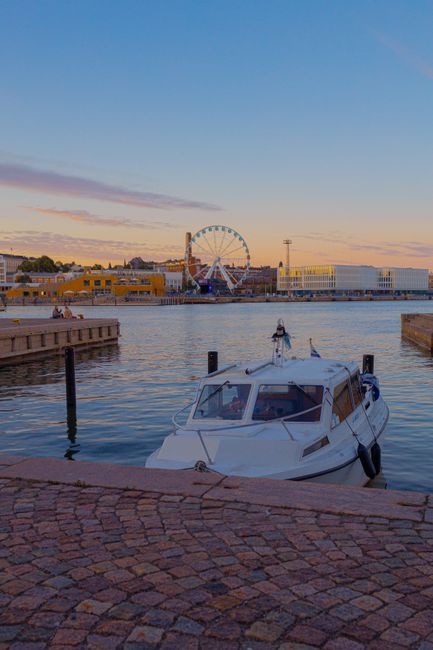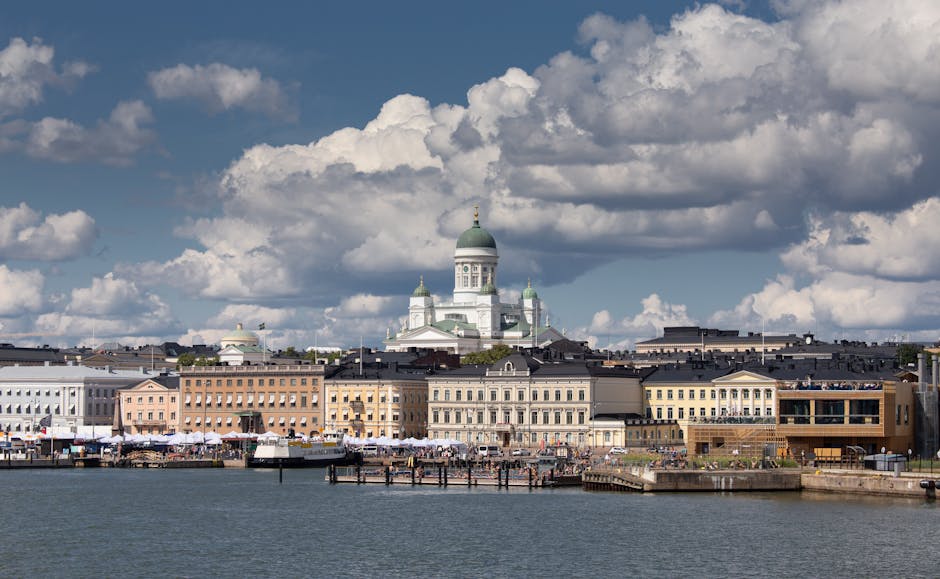






Introduction — Where to stay in Helsinki: a complete guide to choosing by neighborhood, vibe and budget
Helsinki, Finland’s maritime capital, packs a surprisingly wide range of atmospheres for a Nordic city: tree-lined boulevards, revitalized industrial islets, peaceful seaside promontories and working-class hills full of cafés and nightlife. Picking where to stay in Helsinki depends first on your travel style — cultural tourism, a food-focused weekend, family trip, business travel or budget getaway — but also on practical priorities: proximity to public transport, access to ferries for Suomenlinna, or immersion in the Design District. This guide gives you a neighborhood-by-neighborhood map, precise addresses, sample accommodation options with price ranges in euros, useful opening hours and immersive descriptions to help you find the perfect place for your stay.
Helsinki’s geography is straightforward: the city centre (City Centre / Kamppi, Kluuvi) concentrates most services, museums and rail connections; the waterfront (Market Square / Kauppatori, Katajanokka) opens onto the archipelago and the boats; Töölö and the Esplanade park bring a residential and museum-filled atmosphere; Kallio offers a bohemian vibe and cheaper lodgings; Punavuori and the Design District are the haunt of creatives and trendy restaurants; and finally Suomenlinna, the UNESCO-listed island fortress, makes for a distinctive day trip or a very specific lodging choice. Each neighborhood has its strengths: tranquility, water taxi access, local cafés, design shops, parks or nightlife — and we’ll give you concrete pointers to help you decide.
This guide goes beyond a general description: you’ll find full addresses (street and postal code), price ranges in euros for different types of lodging (hostels, 3–5 star hotels, apartments), opening hours for main sights and local tips (best time to visit, recommended transport, practical rules). The rates shown are ranges and representative for off-season or high-season bookings; they still let you compare options quickly. Finally, to make the reading more visual, image markers help you picture scenes: building façades, seaside cafés, hotel interiors and city panoramas.
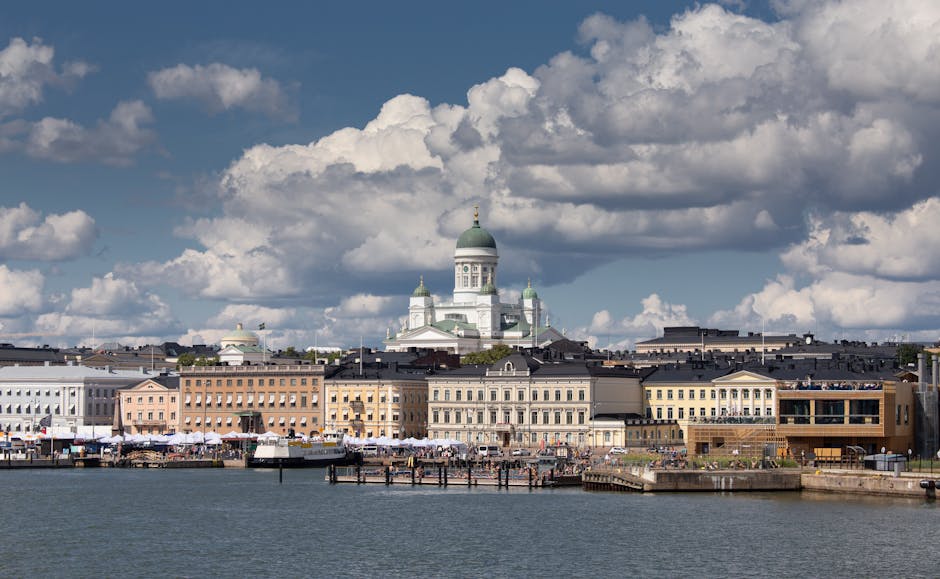
Kamppi and Kluuvi — Practical city centre with maximum connections (transport, shops, museums)
Kamppi and Kluuvi form Helsinki’s functional heart. The area hosts the central station (Helsinki Central Station), the large Kamppi shopping centre, tram and bus connections, and numerous hotels suited to business travellers and tourists who want to do everything on foot. Key address: Helsinki Central Station, Kaivokatu 1, 00100 Helsinki — the nerve centre for trains and airport shuttles (Pendolino, VR and the Finnair City Bus). Opening hours: the station is open 24/7 but VR ticket desks typically operate 06:00–22:00. The metro (Kamppi Metro Station) is at Kampinkuja 2, 00100 Helsinki.
Typical accommodations:
- Hotel Kämp, Pohjoisesplanadi 29, 00170 Helsinki — classic luxury. Price: from roughly €300–€500 per night depending on season. Amenities: spa, restaurant, check-in 15:00, check-out 12:00.
- Scandic Simonkenttä, Simonkatu 9, 00100 Helsinki — handy for trade shows and families. Price: ~€120–€220 per night. Breakfast buffet often served 06:30–10:00 on weekdays.
- Omena Hotel Helsinki Lönnrotinkatu, Lönnrotinkatu 26, 00120 Helsinki — budget chain with automated check-in. Price: ~€60–€100 per night (basic studio, no physical reception).
The vibe here is busy and morning-driven: suited people in suits, grab-and-go cafés, deliveries and shops opening early. The location is ideal for visiting the Ateneum Art Museum (Kaivokatu 2, 00100 Helsinki, typical hours 10:00–18:00, closed some Mondays) and the Esplanade Park (Pohjoisesplanadi). For transport, a HSL ticket for one urban zone works well for short trips — consider a 30/60-minute ticket depending on your journeys. Major advantage: everything is reachable on foot or within 1–2 tram stops.
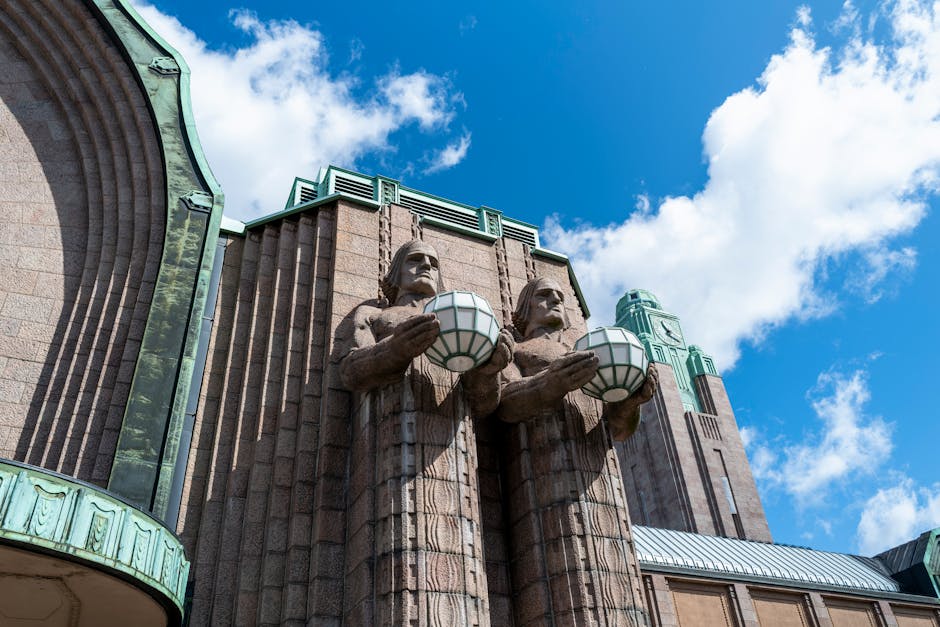
Kallio — Bohemian, bars, hostels and budget stays
Kallio, a former working-class quarter northeast of the centre, is today a hub for young people, artists and night owls. Narrow streets, neighbourhood wine bars, small vintage shops and cosy cafés: it’s the ideal choice if you want a local atmosphere and cheaper accommodation. Landmark: Siltasaari / Kallio Church (Kallion kirkko), Kallionkatu 1, 00530 Helsinki — a large church visible from many points in the area.
Recommended stays:
- CheapSleep Helsinki — several hostels and shared apartments around Kallio. Prices: dorm beds from ~€20–€35 per night, private rooms ~€60–€90.
- Cumulus City Hakaniemi, Siltasaarenkatu 14, 00530 Helsinki — mid-range hotel near the Hakaniemi market hall. Price: ~€80–€140 per night.
Local life and tips: stroll along Fleminginkatu to spot small shops and the well-known local distillery and cocktail bar (check individual opening hours). Kallio comes alive at night: venues like Siltanen and Bird & Bear attract a young crowd; expect late-night closing times (often after 02:00 or 03:00 on weekends). Hakaniemi Market Hall (Hakaniemen Kauppahalli, Siltasaarenkatu 6, 00530 Helsinki) is perfect for tasting Finnish specialties; hours roughly 08:00–18:00, closed on some public holidays.
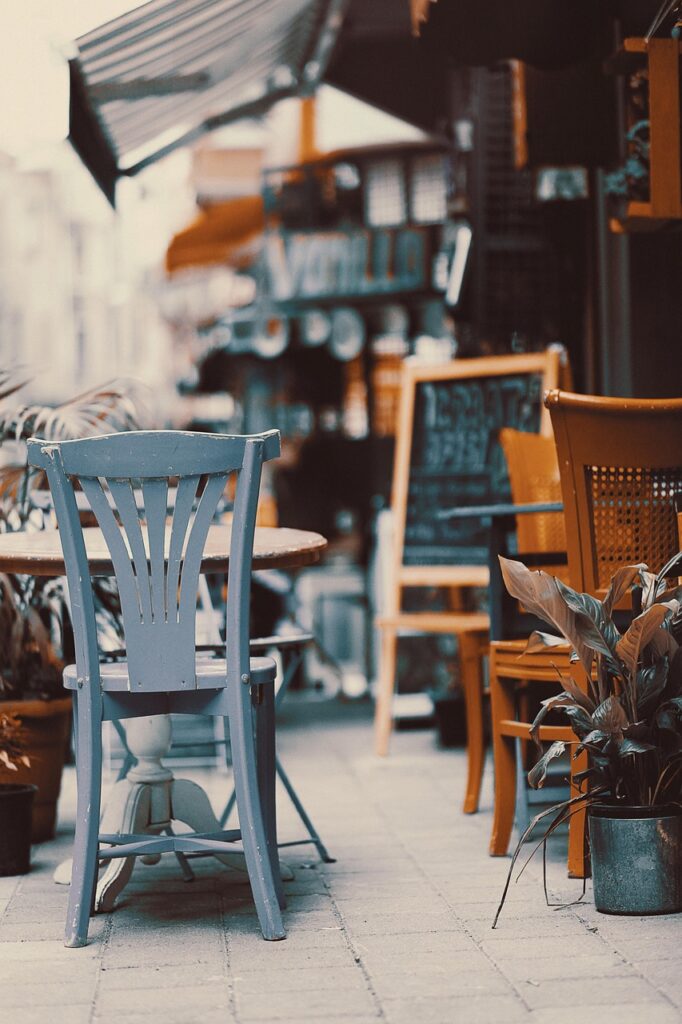
Punavuori and the Design District — Creativity, design shops and dining
Punavuori and the Design District (stretching from Punavuori to Kaivopuisto) sit at the heart of Helsinki’s creative scene: furniture showrooms, galleries, designer workshops and starred restaurants coexist with small, charming hotels. Central address: Uudenmaankatu 10, 00120 Helsinki — a street that crosses the neighbourhood and hosts many design shops and cafés.
Notable accommodations:
- Lilla Roberts, Lapinlahdenkatu 5, 00180 Helsinki — an art-deco boutique hotel. Price: ~€150–€260 per night. Services: breakfast 07:00–10:30 on weekdays, spa/sauna on request.
- Hotel Fabian, Fabianinkatu 7, 00130 Helsinki — design hotel close to the Esplanade. Price: ~€140–€280 per night.
Restaurants and cafés: For a taste of Finnish gastronomy, consider Restaurant Savotta, Aleksanterinkatu 22, 00170 Helsinki — rustic atmosphere, traditional dishes, main courses roughly €18–€35, generally open 11:00–22:00. For high-end dining, Restaurant Olo (if you’re after a Michelin-style tasting menu) offers degustation menus around €95–€150 per person (reservation recommended).
Local tips: the Design District is easily explored on foot; allow at least half a day to visit galleries and shops. The area is perfect for travellers who want to combine quality shopping and carefully prepared meals. In the evening the streets come to life but retain an elegant, understated feel. Accommodation prices here tend to be higher than the strict city centre but are balanced by a refined setting and close proximity to top dining spots.
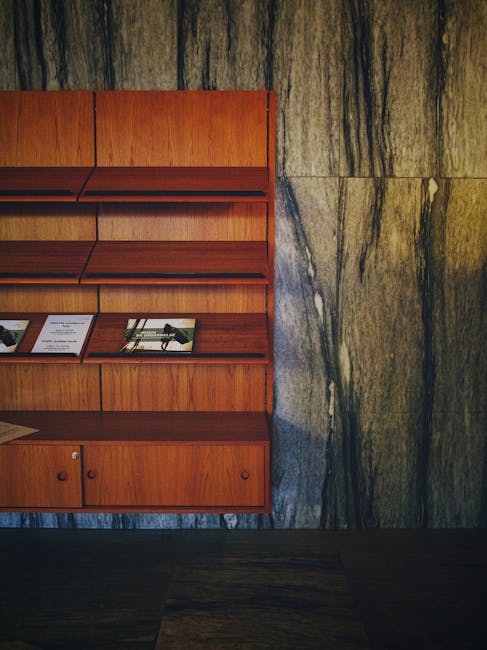
Töölö and the southwestern waterfront — museums, parks and quiet residential streets
Töölö is known for its wide avenues, handsome residential buildings and parks, as well as several major cultural institutions: the Sibelius Park and the Finlandia Hall, the congress palace designed by Alvar Aalto. Reference address: Töölönlahdenkatu 2, 00100 Helsinki — close to the bay and museums.
Typical accommodations:
- Scandic Park Helsinki, Parkgatan 1 / Mannerheimintie 46, 00100 Helsinki — convenient for conferences and families. Price: ~€110–€210 per night. Pool and spa available, check-in 15:00.
- Hotel Kämp and other upscale hotels remain easily accessible from Töölö by tram (5–10 minutes).
Sights and hours: Sibelius Park (Sibelius Park, Sibeliusmonumentti, Mechelininkatu 38, 00250 Helsinki) is open 24/7 for walks and photos. The Ateneum Museum, mentioned earlier, is near the waterfront and hosts temporary exhibitions; usual hours 10:00–18:00 (check closing days). Töölönlahti Park (Töölönlahdenkatu) is ideal for an urban sunset walk and features well-marked trails and seasonal pop-up cafés in summer. Families will appreciate the green spaces and proximity to the centre without the typical nightlife noise of more central neighbourhoods.
Practical tips: Töölö is perfect if you’re travelling with kids or if you prioritise quiet after a day of sightseeing. Trams and buses serve the area efficiently; it’s a good quality/price compromise for those who want to be near museums and the waterfront without staying in the thick of the city centre.
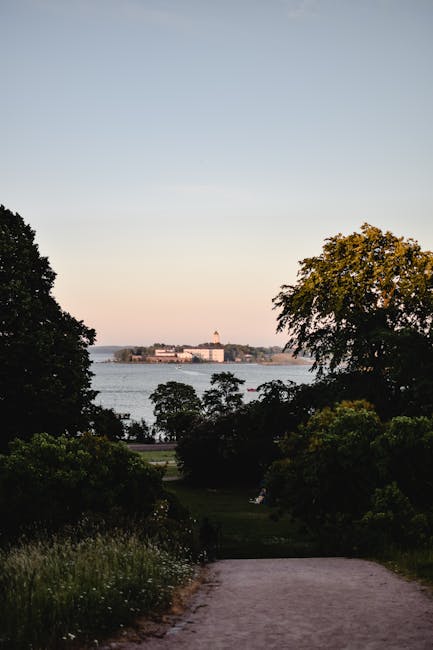
Katajanokka and the waterfront — ferries, architecture and port atmosphere
Katajanokka is a peninsula just east of the centre known for its Art Nouveau architecture and direct access to ferries and cruises. It’s a smart pick if your plans include sea crossings or you enjoy strolls along the quays. Notable address: Katajanokanlaituri 2, 00160 Helsinki — close to the ferry terminal and piers.
Accommodation and options:
- Original Sokos Hotel Presidentti, Eteläinen Rautatiekatu 4, 00100 Helsinki — a short distance from Katajanokka and the ferry terminal. Price: ~€110–€220 per night.
- For a quirky experience, some AirBnB apartments in Katajanokka offer harbour views and quick access to ferries for Tallinn (ideal for sea trips and excursions).
Access to the islands: From Katajanokka and Market Square (Kauppatori, Eteläranta, 00170 Helsinki), ferries depart for Suomenlinna (operated by Suomenlinnan Liikenne). Price: the crossing is included with the relevant HSL ticket; otherwise expect a round trip cost of roughly €3–€10 depending on ticket type and season. Hours: ferries run frequently during the day (about every 20–30 minutes in high season) but have fewer rotations early morning and late evening.
Atmosphere: Katajanokka mixes quay-side charm, seafood restaurants and waterfront walks with the elegance of its architecture. It’s an excellent base if you want to explore the islands while staying close to the historic centre.
Conclusion — Choosing the right neighbourhood based on your priorities and budget
Helsinki reads like a map of micro-ambiences: from the commercial, well-connected heart of Kamppi/Kluuvi to Kallio’s bohemian vibe, from Punavuori/Design District’s gastronomic elegance to Töölö’s serene residential walks, plus the portside feel of Katajanokka and the island expedition of Suomenlinna. Your lodging choice will primarily depend on the reason for your trip. For a culture-and-museum-focused stay, Kluuvi and Töölö are ideal; for nightlife and budget finds, Kallio is the best bet; for design and dining, Punavuori fits perfectly; for peace and seaside strolls, Katajanokka is the pick.
On the budget side, Helsinki has options for every wallet: hostels and apartments from around €20–€60 per night in alternative neighbourhoods, mid-range hotels around €80–€200 in central areas, and luxury properties often exceeding €300 per night for historic addresses like Hotel Kämp. Remember to check check-in/check-out times and booking policies (breakfast included, tourist taxes) before confirming. Public transport (HSL) is efficient: an urban ticket will get you quickly between neighbourhoods and to the Suomenlinna ferries; check ticket validity and zones before purchase.
Final tips: book early in high season (June–August) or during events like Flow Festival or international conferences; favour walking and trams to discover the city and taste local life; try a neighbourhood café rather than an international chain for an authentic Finnish experience. Keep in mind that Helsinki is compact: even if you stay in a slightly outlying neighbourhood, you’ll often be 15–30 minutes by tram or bus from the centre. By combining location, budget and interests (food, museums, nature or nightlife), you’ll quickly find the accommodation that will make your Helsinki trip memorable.