





Introduction
Helsinki, Finland’s compact yet surprisingly diverse capital, delivers a city experience where the sea, modern design, northern history and nature intersect. Whether you’re stopping in for a long weekend or setting foot in Finland for the first time, the city is ideal for gradual discovery: strolls along the waterfront, coffee breaks in design-forward cafés, visits to world-class museums and dipping into sauna culture. This guide lists ten must-sees for a successful first trip to Helsinki, with exact addresses, opening times, prices in euros and local tips to help you make the most of your time and enjoy authentic experiences.
The selection is deliberately broad and balanced: iconic monuments, nearby islands, spots to relax, representative museums and essential Finnish experiences. Each section includes practical info — how to get there, how much to budget, when to visit to avoid crowds — plus immersive descriptions to help you picture yourself on-site. Prices are current at time of writing but can change (taxes, tourist seasons, temporary exhibitions). Exact addresses and opening hours will help you plan your days efficiently: Helsinki is compact and easy to get around on foot, by tram or via the HSL public transport network.
This guide also includes local suggestions: where to grab a coffee after a visit, the best viewpoints for photos, and how to combine nearby sites in one day to minimize travel. You’ll find cultural tips too — for example, sauna etiquette or how to behave in a church — to avoid faux pas and deepen your experience.
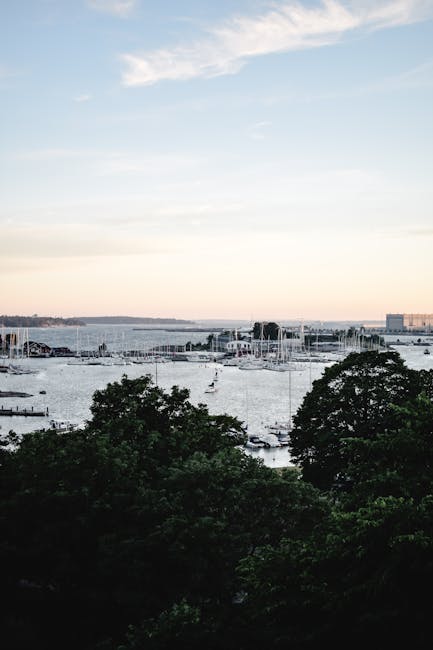
To make the article more visual and spark inspiration, I’ve added image markers at key points. These indicate possible photo scenes (waterfront, colorful façades, the rock church interior) you can look for in stock libraries or use as framing ideas for your own shots. The aim is to give you a complete roadmap for a first visit: feel the city, understand its history, appreciate its design and taste the Finnish way of life. Lace up your walking shoes, grab your camera and buy a tram ticket: here are the 10 must-sees in Helsinki for a successful first visit.
1. Helsinki Cathedral (Helsingin tuomiokirkko) and Senate Square (Senaatintori)
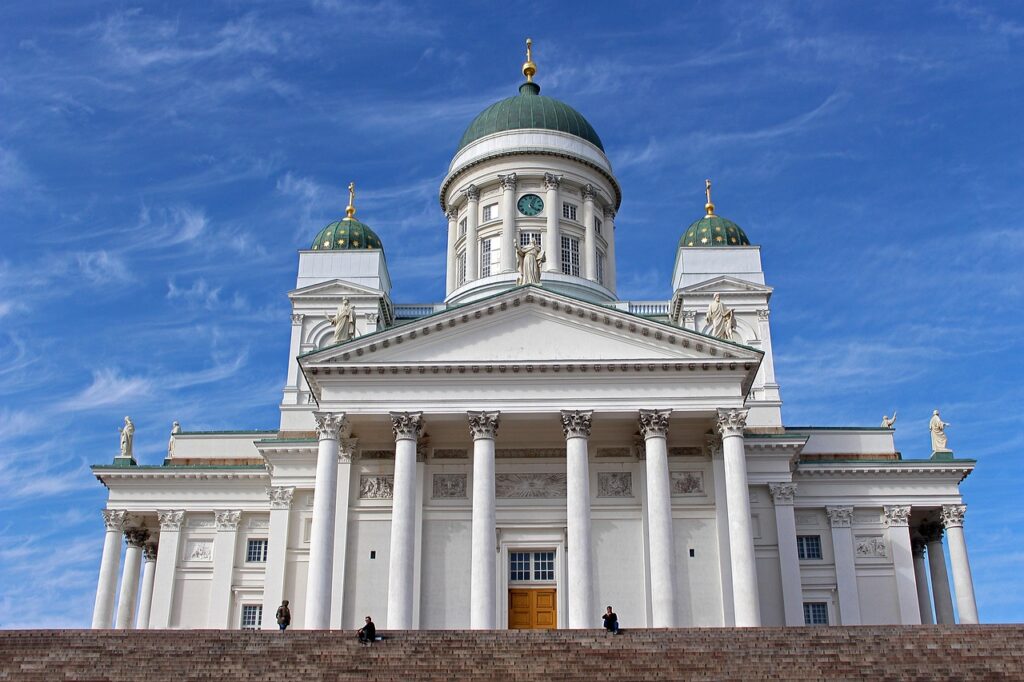
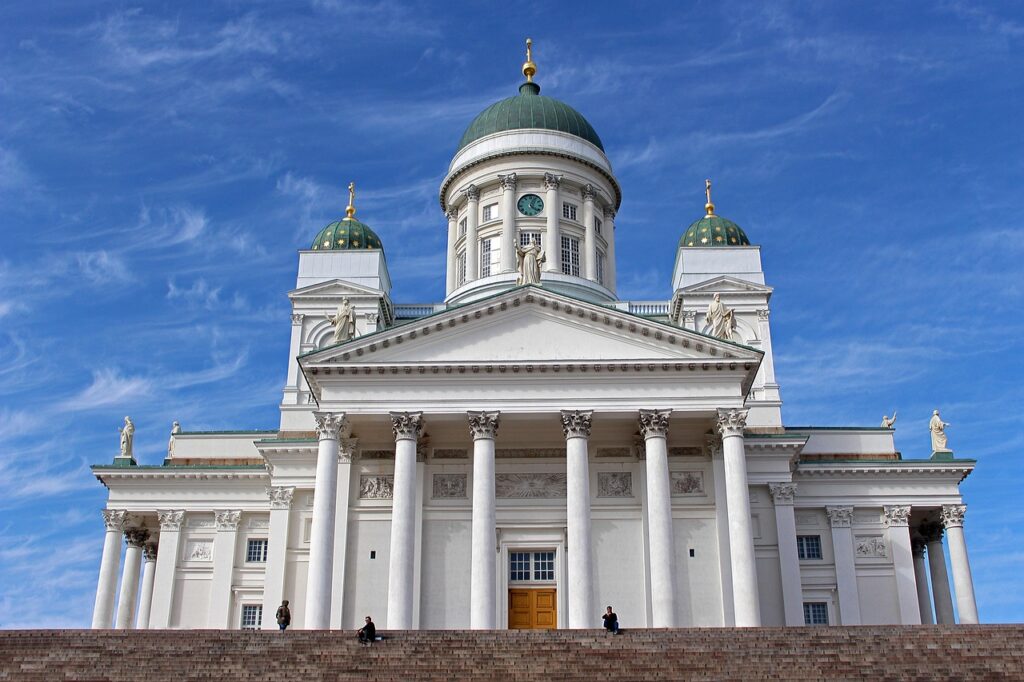
Helsinki Cathedral, known locally as Helsingin tuomiokirkko, stands at the heart of the city overlooking Senate Square (Senaatintori). Address: Unioninkatu 29, 00170 Helsinki. Built in the mid-19th century by architect Carl Ludvig Engel, it’s instantly recognizable by its white neoclassical façade and green domes visible from many points around town. Entrance is free for visitors (donations appreciated); typical opening hours in tourist season are 10:00–17:00, but times can change for religious services and events (check the official site before you go).
Senate Square, adjacent to the cathedral, is Helsinki’s historic core. Surrounding the square are the Government Palace, the National Library of Finland (Fabianinkatu 32) and the Ateneum art museum, creating a unified and very photogenic architectural ensemble. It’s a great place to understand the city’s Russian-imperial planning and admire Helsinki’s neoclassical lines. The cathedral steps offer a classic city-view photo spot, especially at sunrise or sunset when the warm light flatters the pale façades.
Practical tips: arrive early to avoid tour groups on the steps, or visit late afternoon for softer light. For a richer visit, combine the cathedral with a stop at the National Library (Fabianinkatu 32, usually open 09:00–19:00 on weekdays) or the Ateneum Museum (Kaivokatu 2), a five-minute walk away. Access: trams 3 and 4 stop at Rautatientori/Senaatintori. If you plan to visit churches and religious sites, bring a shawl or something to cover shoulders to respect service etiquette.
2. Suomenlinna — Sea fortress and island-museum
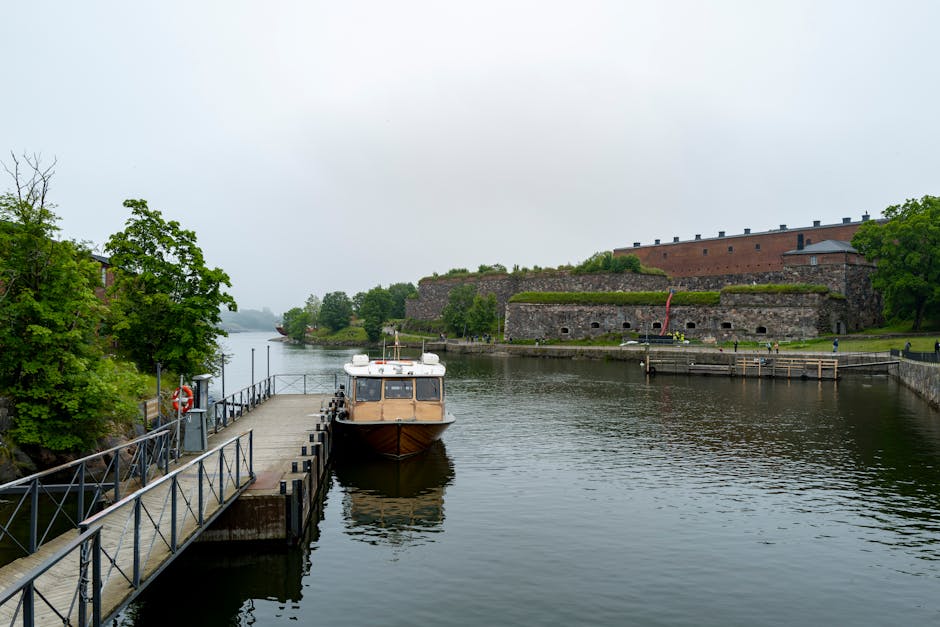
Suomenlinna is a UNESCO-listed fortified archipelago and one of Helsinki’s favourite day trips. How to get there: HSL ferry from Kauppatori (Market Square), departure address: Eteläranta 1, 00170 Helsinki. The crossing takes about 15–20 minutes. Price: the ferry is part of the HSL network; a single AB zone ticket costs about €3.60 (HSL single ticket, 2024 rate) and covers the journey there. Entrance to Suomenlinna itself is free, though some island museums and exhibitions charge admission (for example the Suomenlinna Museum — Länsi-Makasiini 8 — around €12 for adults; typical opening hours 10:00–17:00, check seasonally).
The archipelago blends military bastions, ruins, museums, cafés and beaches. Wander on foot, explore historic cannons, tunnels and forts, and learn about Finnish and Swedish military history. The site is especially lovely in spring and summer when meadows bloom and the sea sparkles. In autumn, the coppery foliage and low light give a melancholic, photogenic atmosphere.
Local tips: bring water and snacks if you plan to stay several hours — there are a few cafés like Café Vanille (Suomenlinna C 51) and restaurants, but choices can be limited off-season. Wear sturdy shoes: the terrain can be uneven with steps and gravel paths. To go deeper, book a ticket to the Suomenlinna Museum and/or join a guided tour (often available in English) to hear stories about sieges, sovereignty changes and local anecdotes. Ferries run more frequently in summer; in winter, schedules can be reduced, so check timetables.
3. Kauppatori Market and the Waterfront Promenade
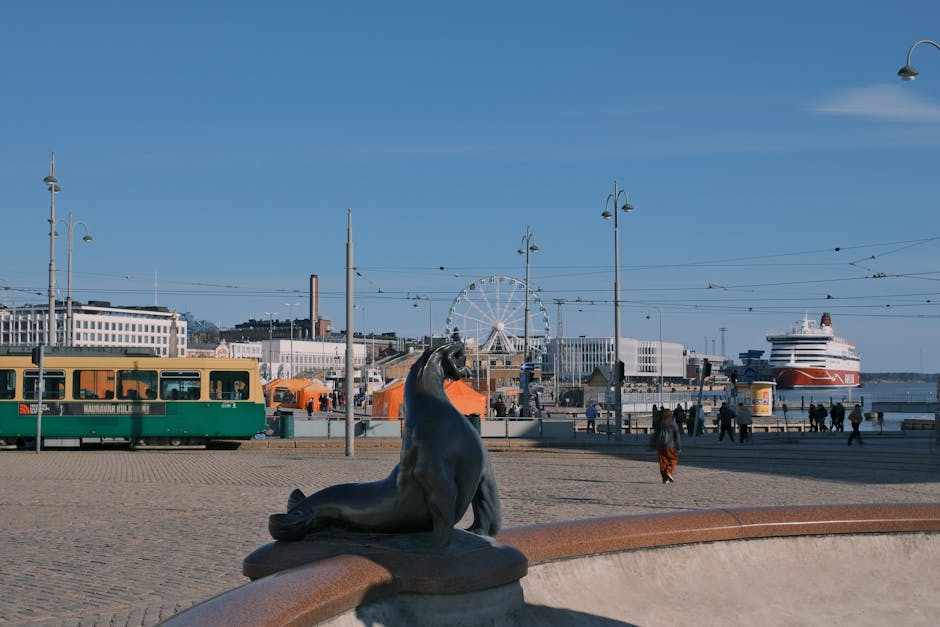
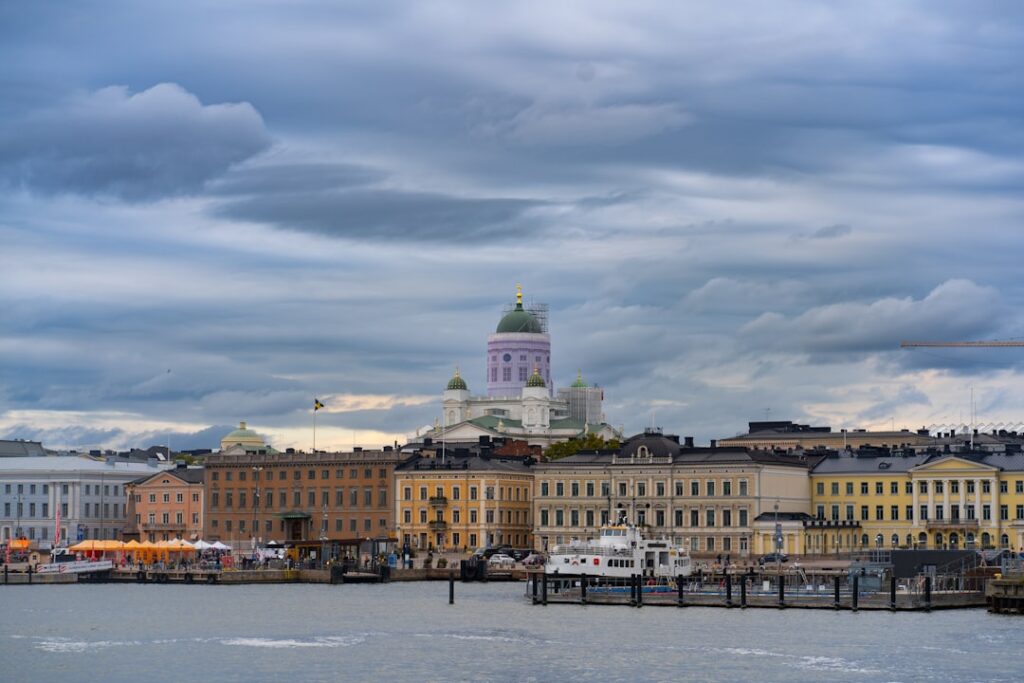
Kauppatori (Market Square) — address: Eteläranta 1, 00170 Helsinki — is a lively, colourful waterfront market where locals and tourists mix. Open daily in high season (generally 08:00–18:00), stalls sell smoked fish, wild berries, handmade goods and souvenirs. Prices vary: a cone of smoked salmon or a fish sandwich typically costs €6–€12, while seafood soups and broths are around €8–15. Hours are reduced in winter; some stalls close early or open only on weekends.
The promenade along the waterfront offers many attractions: ferries to Suomenlinna, ice-cream kiosks, souvenir shops and clear views over the Gulf of Finland. Nearby is the Hakaniemi indoor market (Hakaniemen tori, Siltasaarenkatu 1), which gives a more local experience with fresh produce and traditional stalls. The harbour also hosts ferries and tourist boats; you can book a cruise around the islands or a boat trip for a few dozen euros (prices depend on duration and type of excursion).
Practical tips: to taste a Finnish classic, try reindeer rolls or grilled salmon from a stall (prices around €8–15). Morning light and fewer crowds make for better photos. Souvenir stalls often sell wool goods, birch-bark items and local ceramics — haggle politely for higher-value items, but expect fixed prices at most stalls. The market is also a departure point for boat tours, so compare options and schedules to fit your itinerary.
4. Temppeliaukio Church (Rock Church) — a carved rock sanctuary
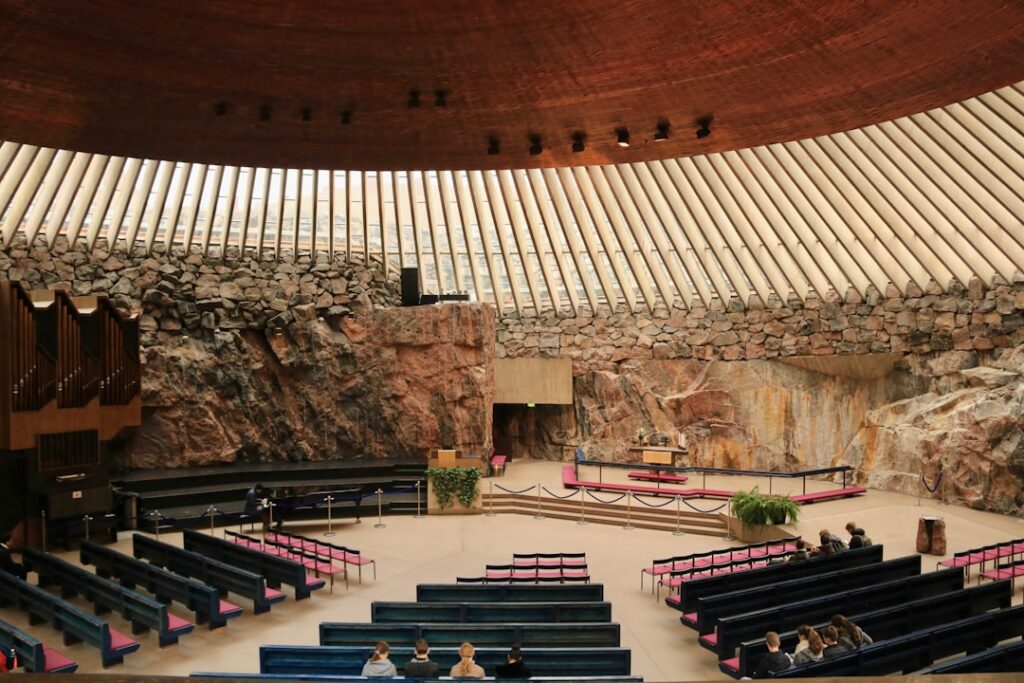
Temppeliaukion kirkko, commonly known as the Rock Church, is one of Helsinki’s most striking architectural attractions. Address: Lutherinkatu 3, 00100 Helsinki. Carved directly into granite, the church offers remarkable acoustics and a unique atmosphere: a copper dome, raw stone walls and natural light filtering into the rotunda create a meditative space. Opening hours are typically 10:00–17:00, but times vary due to concerts and services. Admission: about €4–5 for adults (2024 rate); concerts or special events often carry separate fees (usually €10–30 depending on the programme and season).
The visit blends spiritual, architectural and musical experiences: many travellers come for the incredible acoustics and attend instrumental or choral concerts. The church gets busy, especially in high season, so arriving early helps you enjoy quiet and take better photos. Long stays during services aren’t always possible, but visitors can attend public concerts when scheduled.
Practical tips: the church is a 15–20 minute walk from the centre or reachable by tram (Töölöntori stop or tram 2/3 depending where you start). Audio guides or brochures on site give interesting background on the building’s conception. If you plan to photograph inside, respect rules during services and concerts (flash is often prohibited). Bring a few euros for the entrance fee: it helps maintain the structure, which is affected by time due to its rock construction.
5. Uspenski Cathedral and the Katajanokka panorama
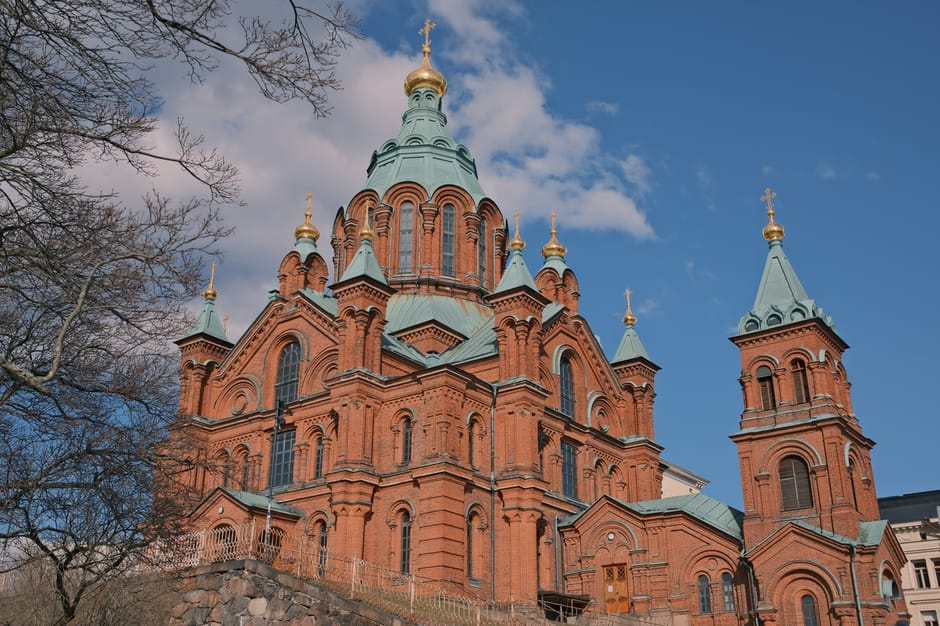
Uspenski Cathedral (Uspenskin katedraali) is a striking Orthodox church perched on the hill of Katajanokka. Address: Kanavakatu 1, 00160 Helsinki. Built in red brick and topped with golden domes, it’s the largest Orthodox cathedral in Western Europe and provides a bold contrast to the neoclassical architecture of the city centre. Entrance is usually free (donations welcome), though some temporary exhibitions or guided tours may charge. Hours: typically open 09:00–16:00 (extended in high season), but Orthodox service times vary; check ahead if you want to attend a mass.
The Katajanokka neighbourhood around Uspenski is worth a stroll: its quays, maritime buildings and restored façades offer fine views of the harbour and city. From the cathedral steps you’ll get a pleasant panorama over Helsinki’s rooftops and the Gulf of Finland — a great spot for sunset photos. Kanavakatu and the adjacent quays host restaurants and cafés for a post-visit break.
Practical tips: pair Uspenski with a walk to the ferry departures for sea excursions, or continue into the nearby Kruununhaka district to round out a cultural day. The Orthodox church has dress rules: cover your shoulders and observe silence during services. For architecture photography, the red brick façade and golden domes create beautiful contrasts in natural light. For a more local touch, stop for coffee on Korkeavuorenkatu after your visit.
6. Major museums: Ateneum, Kiasma and the National Museum of Finland
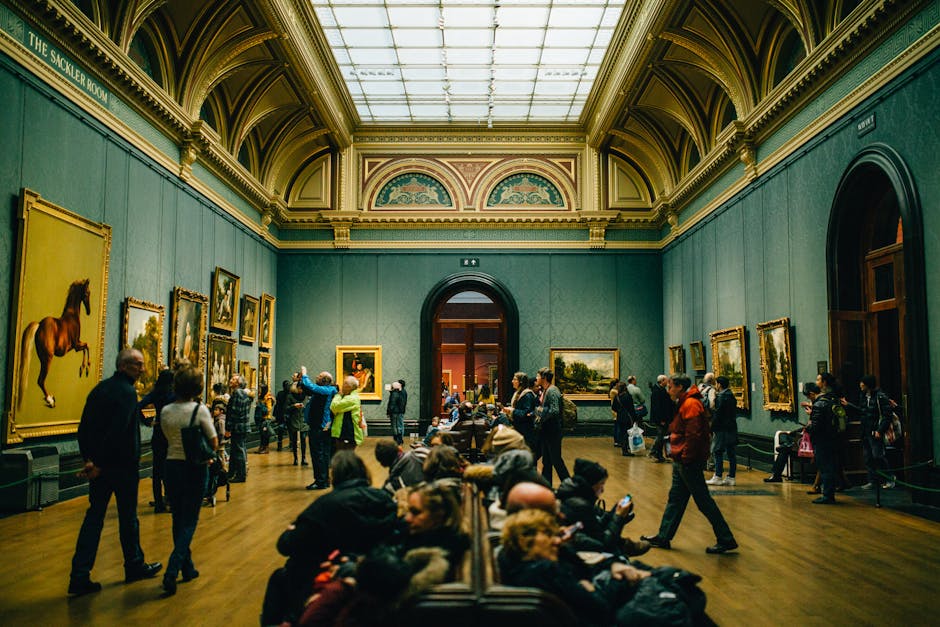
Helsinki hosts several must-see museums that showcase classic art, contemporary work and national history. Three stand out for a first visit: Ateneum (Ateneumin taidemuseo), Kiasma (Museum of Contemporary Art) and the National Museum of Finland (Kansallismuseo).
Ateneum — Address: Kaivokatu 2, 00100 Helsinki. Collection: major classical Finnish and Nordic works. Hours: generally Tuesday–Sunday 10:00–18:00, closed Mondays (check for temporary exhibition changes). Price: adult ticket around €17; concessions for students and seniors (about €12). Ateneum features masterpieces by artists like Akseli Gallen-Kallela and Helene Schjerfbeck and is ideal for understanding Finland’s artistic heritage.
Kiasma — Address: Mannerheimintie 10, 00100 Helsinki. Collection: contemporary Finnish and international art. Hours: often 11:00–18:00 (some late nights on certain days), closed Mondays; check current opening times. Price: adult ticket around €15. Kiasma offers a dynamic programme of temporary shows, performances and interactive projects — perfect for visitors curious about Finland’s cultural avant-garde.
National Museum of Finland (Kansallismuseo) — Address: Mannerheimintie 34, 00100 Helsinki. Collection: Finnish history from prehistory to the modern era. Hours: often 11:00–18:00, closed Mondays; fares: adult ticket around €12. Permanent exhibitions trace medieval periods, the struggle for independence and industrialisation, giving historical context useful for appreciating the rest of the city.
Practical tips: if you plan to visit multiple museums, look into city culture passes or combined tickets sometimes offered by the tourist office or the museums themselves. On late-opening evenings (usually once a week), Kiasma can be more peaceful to visit. Ateneum is busiest during the day — arrive at opening to avoid crowds. Allow 1.5–3 hours per museum depending on your appetite for art. Museum cafés are great spots for a break, often serving Finnish pastries (pulla) and quality coffee.
7. Oodi — the modern library and civic hub
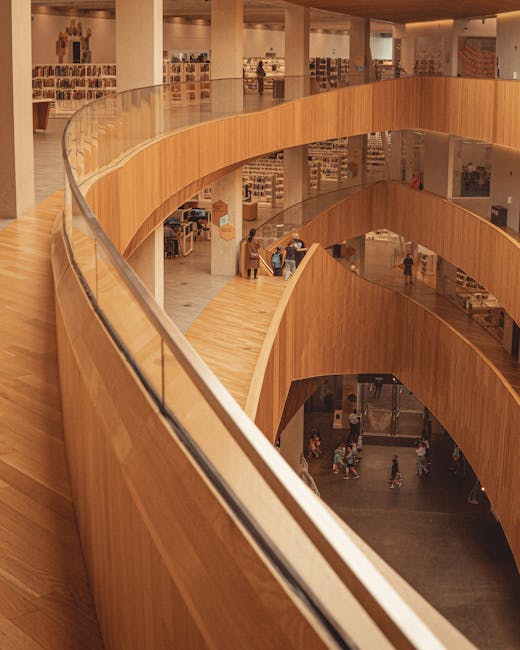
Oodi, Helsinki’s central library, is far more than a book-lending space: it’s a multifunctional public hub, cultural centre and showcase of contemporary Finnish design. Address: Töölönlahdenkatu 4, 00100 Helsinki. Hours: Oodi is typically open on weekdays from about 08:00 or 10:00 until 20:00–22:00 depending on the day; weekend hours are extended (check the website for current times). Admission is free; some activities (workshops, maker spaces) may be paid or require booking.
Oodi’s architecture — layered glulam timber and large windows overlooking the sea and Parliament — makes it a photogenic, welcoming space. Inside you’ll find quiet reading areas, an interactive children’s section, cinema rooms, recording studios and a fablab where you can book machines (3D printing, laser cutting) for creative projects. Oodi reflects the Finnish community spirit: access to culture, knowledge and making for everyone.
Practical tips: plan to spend at least an hour to explore the building, head up to the rooftop terrace for views, and try a coffee in the bistro. If you want to use workshops or specialised equipment, check availability and book in advance — popular slots fill fast. Oodi is also a good starting point for a walk to the Parliament Park or around Töölönlahti bay. Design fans will enjoy the interior layout and furniture, which often showcase contemporary Finnish pieces.
8. Löyly and Finnish sauna culture
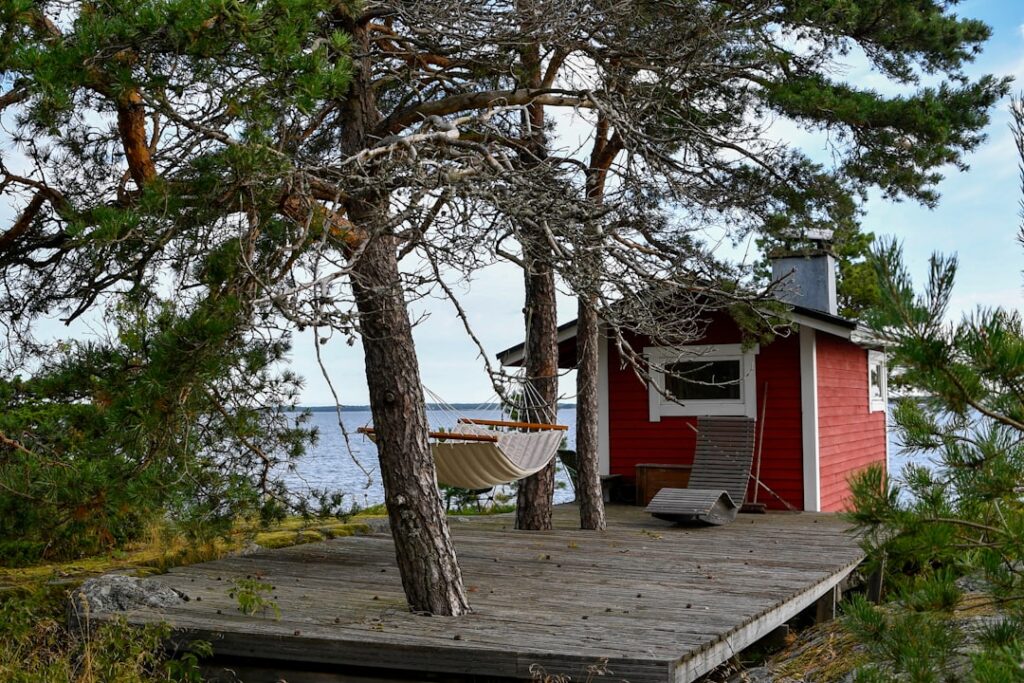
Trying a sauna is essential when visiting Finland, and Löyly is one of Helsinki’s most iconic modern saunas. Address: Hernesaarenranta 4, 00150 Helsinki. Löyly blends traditional Finnish sauna practices with contemporary architecture and a wooden terrace facing the sea. Hours: open daily (times vary by season); public sauna sessions typically start from 11:00 and run into the evening — book ahead, especially on weekends. Price: public sauna sessions from about €18–€28 (rates vary by day and time), private cabin rentals and packages available at higher prices.
A visit to Löyly is an immersion into a national ritual: heat followed by a cold plunge (sea dip or shower), rest and conviviality. The complex hosts several saunas — public mixed saunas and sometimes separate sessions — and restaurants to extend the experience. Sea views from the terrace are stunning, especially at sunset. Löyly is praised for its sustainability (local materials, energy management) and neat Scandinavian design.
Local tips: follow the house rules: shower before entering the sauna, keep noise moderate and follow the swimwear policy (some Finnish saunas are nude, but Löyly mixes policies and has specific days). Bring a towel and a coin for lockers if needed. Book online to secure your spot, particularly in summer; slots after 17:00 are the busiest. For a more traditional experience, look into municipal public saunas like Kotiharju Sauna in Helsinki for a rougher, more local feel.
9. Design District Helsinki and local shops
The Design District Helsinki gathers boutiques, galleries, workshops and cafés dedicated to Finnish design — a must for anyone wanting to soak up the local aesthetic. Main areas: Punavuori, Kaartinkaupunki, Korkeavuorenkatu and parts of the city centre. A typical route starts around Uudenmaankatu and Punavuorenkatu, where you’ll find ceramics, textiles, furniture shops and young designers’ ateliers. Many shops are located between Erottaja and Kamppi.
Prices: Finnish design ranges from affordable small souvenirs to high-end furniture costing hundreds or thousands of euros. Expect to pay €10–€40 for quality souvenirs (mugs, textiles, wooden items) and much more for original designer pieces. Hours: most shops open around 10:00 and close between 18:00–19:00 on weekdays; some ateliers close earlier on Sundays.
Practical tips: note a few key addresses before you go — for example Artek (Pohjoisesplanadi 25 a), the Marimekko flagship store (Aleksanterinkatu 12) and independent galleries in Punavuori. If you want to see design in action, ask about workshops or short demonstrations: some creators offer sessions and studio visits by appointment. To bring authentic souvenirs home without breaking the bank, choose small items (paper goods, cards, textiles) and avoid the busiest tourist shops that tend to mark up prices. End your day in a neighbourhood café to people-watch and flip through Finnish design magazines.

10. Esplanadi Park, cafés and city life
Esplanadi Park, often called “Espa,” is a green ribbon cutting through central Helsinki between the Market Square and the main shopping avenue. Main address: Esplanadin puisto, Aleksanterinkatu / Pohjoisesplanadi, 00100 Helsinki. It’s a popular spot for locals: you’ll find musicians, seasonal stalls and people strolling. Cafés and restaurants lining the park — such as Café Esplanad (Pohjoisesplanadi 36) and the famous Kappeli (Erottajankatu 3) — have pleasant terraces for people-watching. Prices: a coffee usually costs €3–5; a café lunch tends to be €12–25.
The park is perfect for a break between museum visits or a picnic when the weather is nice. Shops on Esplanadi and the adjoining streets (Aleksanterinkatu and Pohjoisesplanadi) mix international brands and Finnish stores — handy for last-minute shopping. In summer, outdoor concerts and events often animate the park, creating a lively, friendly atmosphere.
Practical tips: for an authentic moment, buy a local pastry (pulla) at a nearby bakery and sit on a bench to watch city life. The park is very busy on weekends — choose weekday mornings for more calm. If you’re aiming for a restaurant to sample modern Finnish cuisine, book ahead; popular spots around the park fill up in high season. Also explore the pedestrian streets nearby to discover small workshops and galleries that are less visible from main avenues.
Conclusion
Helsinki reveals itself quickly to those who take time to wander: compact, maritime, design-rich and rooted in traditions (sauna, seafood cuisine) that make every experience unique. These ten highlights cover a wide range of activities and moods — from historic monuments like Helsinki Cathedral and Uspenski to contemporary sites like Oodi and Kiasma, and quintessential Finnish experiences such as Suomenlinna and the Löyly sauna. Each entry includes practical details (addresses, approximate hours and prices in euros) so you can plan a realistic and relaxed itinerary.
To optimise your visit: favour walking and tram or HSL ferries, buy transport tickets in advance if you’ll be travelling a lot, and adapt your plans to the weather (the proximity to the sea often affects local conditions). Arrive early at the busiest sites to avoid crowds and book saunas or popular exhibitions ahead. Don’t forget to pack layers for shifting temperatures, especially if you’re heading to Suomenlinna or planning a post-sauna sea dip.
Finally, leave room for improvisation: start with a plan but allow yourself to follow a street that catches your eye, stop for coffee in a little bistro or chat with locals for last-minute tips. Helsinki rewards curiosity: every corner can reveal an unexpected façade, a designer’s studio, a gourmet market or a seaside viewpoint. Safe travels and enjoy your first immersion in the Finnish capital.