





Getting Around Helsinki: Local Tips to Stay Safe
Introduction
Helsinki, Finland’s understated maritime capital, blends a human-scale urban core with easy access to nature. Getting around the city is usually straightforward, reliable and safe — but like any urban destination it helps to know a few local tips to avoid hassle and make your travel more comfortable. Written like a guide from a seasoned local, this article gives practical, actionable advice for moving around Helsinki safely: public transport, ferries, cycling, walking, taxis and nighttime travel. You’ll find exact addresses, typical schedules, indicative fares and hands-on recommendations to help you plan your trips.
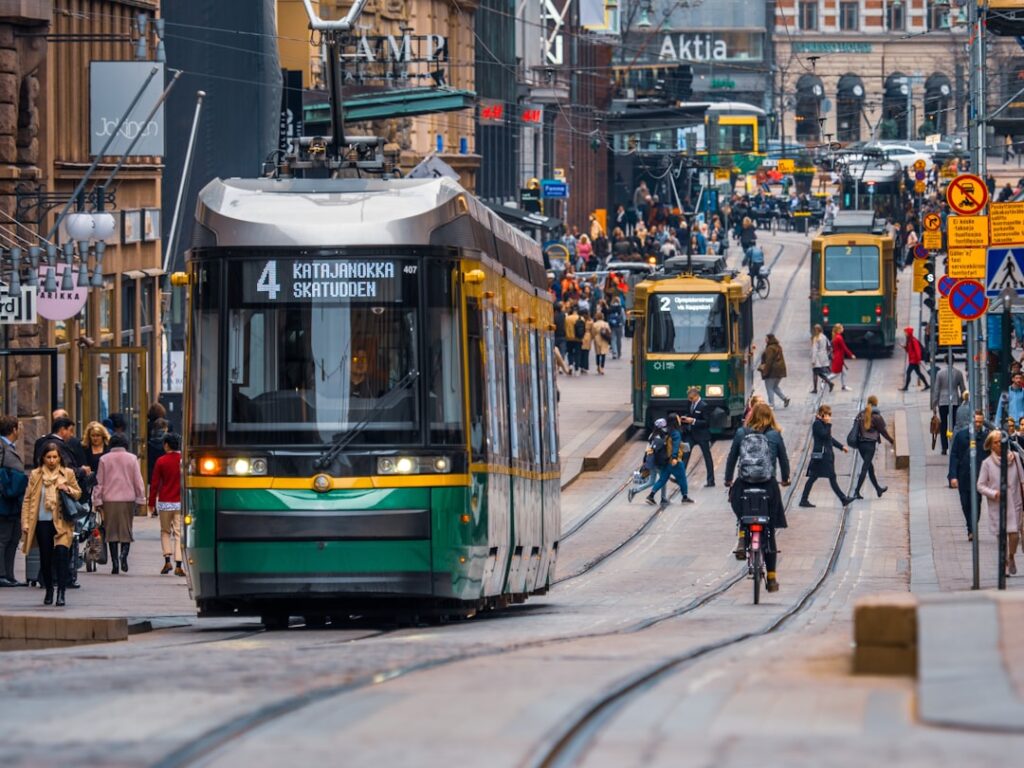
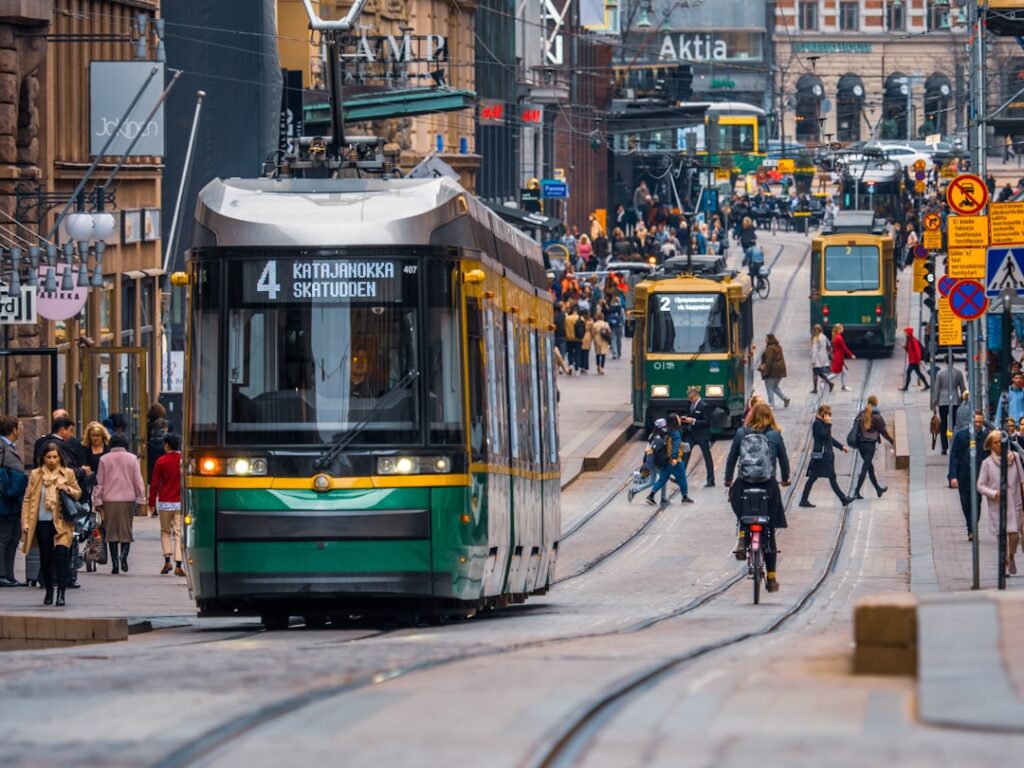
The city is served by a dense network of trams, metro lines, buses and ferries run by HSL (Helsingin seudun liikenne). Services are punctual, stops are well signed and information is available in Finnish and English. Still, weather (wind, rain, black ice in winter) and topography (bridges, quays) impose a few local rules: bring grippy shoes in winter, layer up for sea crossings, and be cautious near tram tracks where cyclists and pedestrians sometimes share space.
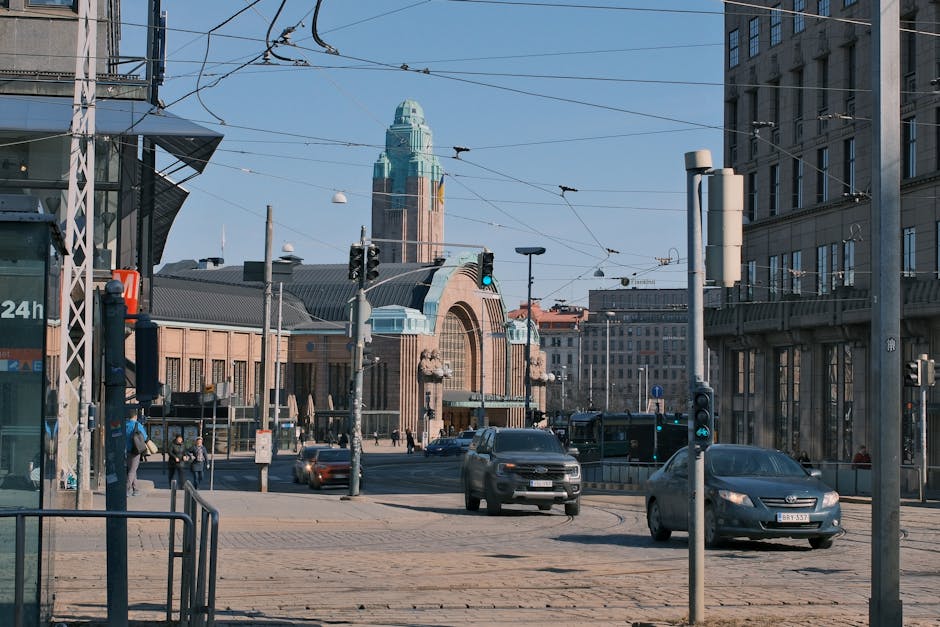
This guide is aimed at visitors and new residents. You’ll find key locations like Helsinki Central Station (Helsingin päärautatieasema — Elielinaukio 1, 00100 Helsinki), the Market Square Kauppatori (Eteläranta 1, 00170 Helsinki) for ferries to Suomenlinna, metro stations such as Kamppi (Hämeentie 1A / Simonkatu 2, 00100 Helsinki), plus practical spots useful for transfers and overnight stays. Fare info is indicative (references May 2024); check HSL’s official site or local tourist offices for updates before you travel.
We’ll also focus on safety: how to avoid tram collisions, how to behave on icy platforms, which areas to avoid at night (very few in central Helsinki, but be wary of some outer neighborhoods), how to use official taxis, and how to handle luggage on often-crowded services during peak hours. You’ll get addresses, approximate prices, typical schedules and local tips so your journeys are stress-free.
Public transport: trams, metro, buses — how to pay, schedules and safety
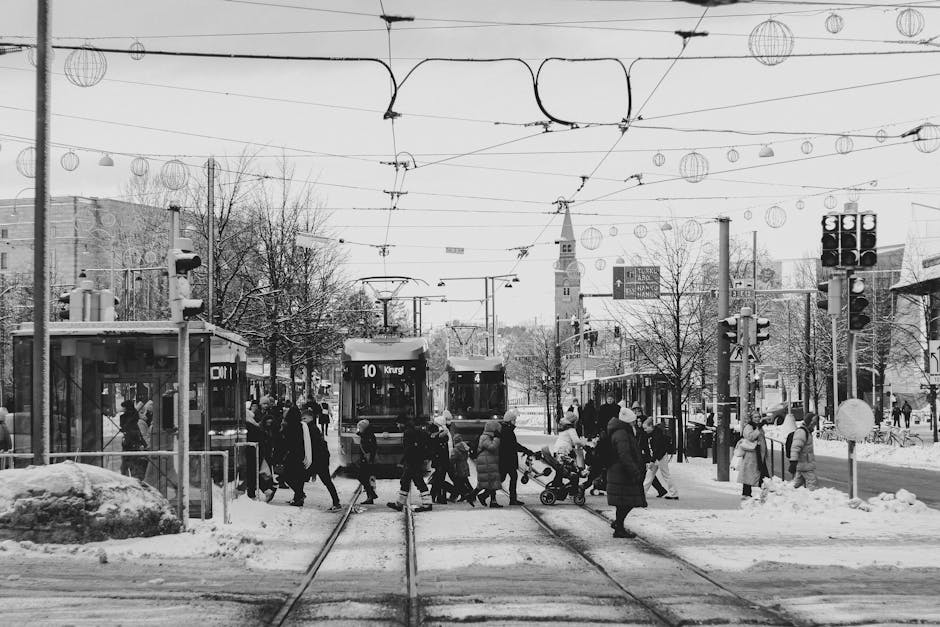
The backbone of getting around Helsinki is the HSL network (Helsingin seudun liikenne). Main hubs include Helsinki Central Station (Helsingin päärautatieasema — address: Elielinaukio 1, 00100 Helsinki) and Kamppi station (Kamppi Centre, Mannerheimintie 20, 00100 Helsinki) for bus and metro connections. Trams run through the historic center (lines 1, 2, 3, 4, 6, 7, 8, 9 depending on the season) and are a great way to see the city while you travel.
Fares and tickets: the prices below are indicative (May 2024) — always check hsl.fi for updates. An adult single ticket valid for one hour in zones AB costs roughly €3.50 if bought through the HSL app or ticket machines. A 24-hour ticket for zones AB is around €9.00, and a weekly card (7 days) is about €29.00. Tickets are enforced by inspectors; always carry a valid ticket. Children and young people get discounts; seniors may qualify for special passes.
Schedules: trams and buses generally run from about 05:00 until midnight, with high frequencies at peak times (every 4–10 minutes). Metro lines M1 / M2 operate roughly from 05:00 to 23:30 (with limited night services on some lines at weekends). Night buses (N-lines) replace certain tram services overnight and timetables are shown on hsl.fi. Public holidays can mean reduced services on parts of the network.
Local safety tips: Helsinki is a safe city, but keep common-sense habits: keep your bags close, avoid blocking tram doors, and let passengers get off before boarding. In winter platforms can be icy — walk slowly, wear grippy shoes and hold on to interior poles on moving vehicles. On trams avoid leaving bags in aisles; during ticket inspections, show your pass or a screenshot of your HSL ticket if bought online.
Ferries and islands: crossings, schedules, fares and maritime safety
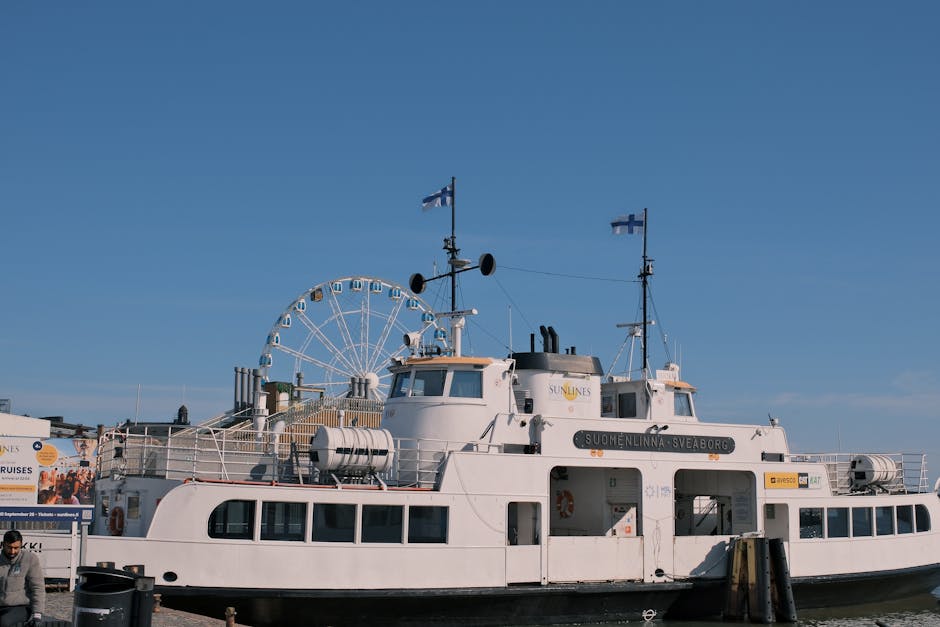
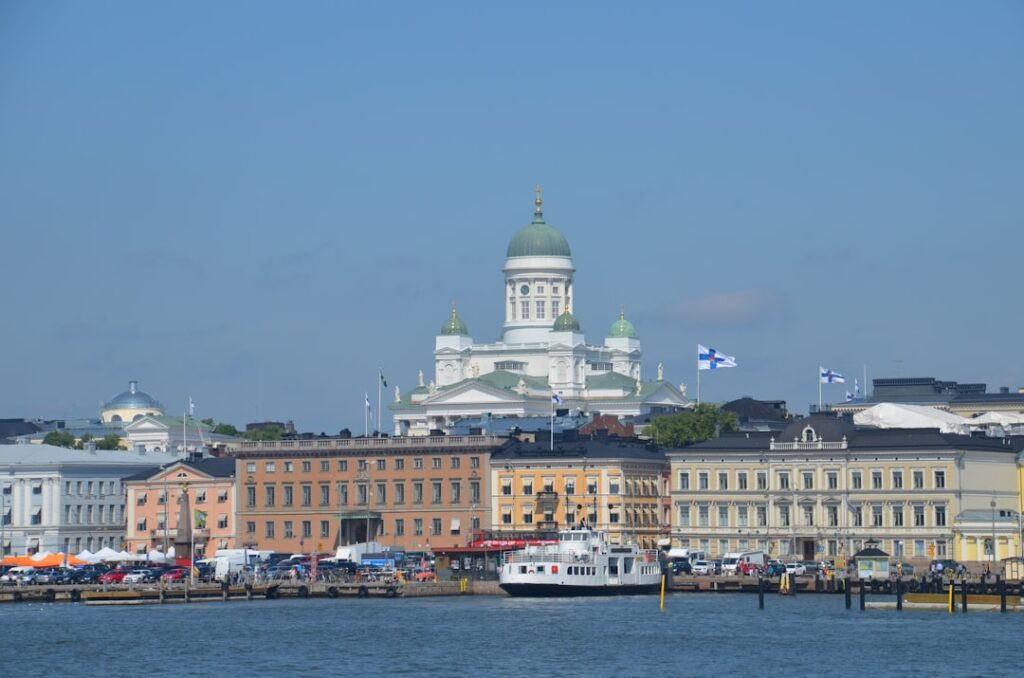
Helsinki’s waterfront is the gateway to iconic island destinations, the most famous being Suomenlinna with its 18th-century fortress. The main departure point is the ferry quay at Kauppatori (Market Square) — address: Eteläranta 1, 00170 Helsinki. The trip to Suomenlinna takes about 15–20 minutes and is served by HSL ferry line 90 or by private sightseeing operators.
Fares and tickets: the crossing to Suomenlinna is included with a valid HSL ticket for zones AB (check your zone), or you can buy return tickets from tourist operators. HSL fares align with the public transport prices mentioned earlier (around €3.50 for a one-hour AB ticket). Private guided tours and tourist shuttles cost roughly €12–€25 depending on season and services offered.
Schedules: HSL ferries to Suomenlinna typically run every day, with frequent daytime departures (every 20–30 minutes in high season). The first morning crossings are often around 05:30–06:30 and the last ones can be close to midnight depending on the season. Exact departure times are posted at the Kauppatori quay and on hsl.fi.
Sea and quay safety: even on short crossings wear a waterproof layer when it’s windy. Winter crossings can be rougher — check weather information and favor daytime trips if you’re prone to seasickness. On quays watch your step on slippery edges and follow boarding signs. If you’re traveling with children keep them close and, where available, use life jackets supplied by operators for young kids.
Bike and scooter: rules, stations, rentals and precautions
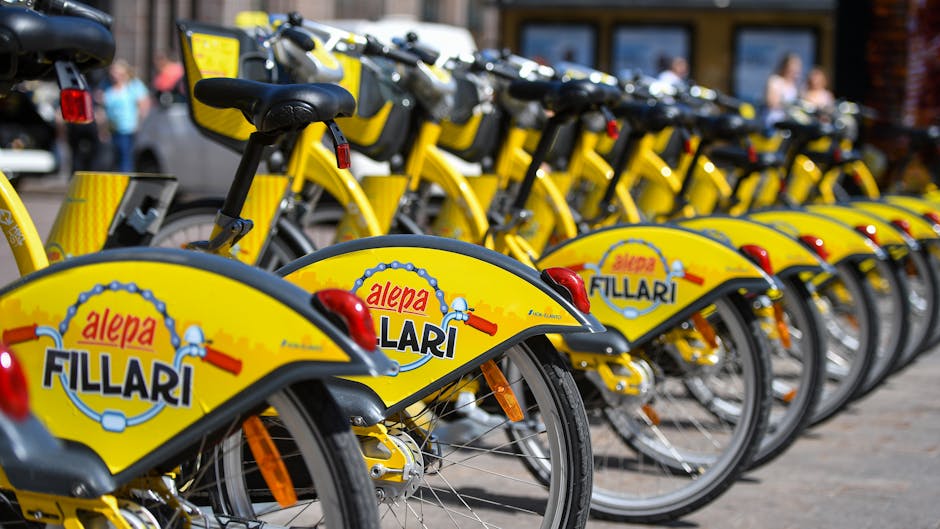
Cycling is very common in Helsinki, especially in summer. The city has wide, well-maintained bike lanes. Popular routes include the coastal path along Ruoholahdenranta, the loop around Töölönlahti and connections between Kamppi and the University of Helsinki.
Bike rentals and docking stations: the City Bike Helsinki scheme runs seasonally (usually April to October). Prices vary by pass type: a seasonal pass can cost around €49, and short rides (up to 30 minutes) are typically included; extra time charges are roughly €1–€2 depending on duration. Private rental shops operate year-round (e.g. Fatbike Helsinki, Fredrikinkatu 11, 00120 Helsinki) with daily rates around €20–€35 for a standard bike and €40–€70 for an e-bike. Shared electric scooters charge per use (e.g. €1 unlock + €0.25–€0.35/minute).
Rules and best practices: use designated bike lanes (not the sidewalks) and be extra cautious at junctions and where trams cross bike paths. In winter many lanes are cleared, but adapt your speed: avoid sudden braking, wear a helmet and consider studded tires if you ride frequently on icy roads. Electric scooters should be ridden on the road or on cycle lanes as indicated; riding a scooter while intoxicated can carry penalties similar to drunk driving.
Bike security: always lock your bike with a quality U-lock to a public stand. Theft does happen, though less frequently than in many other cities. Note recommended parking spots: outside the central station (Elielinaukio 1) there are large numbers of bike racks and monitored parking areas, but avoid leaving valuable bikes unattended overnight.
Taxis, ride-sharing and nighttime mobility: safety and practical fares
Taxis in Helsinki are reliable but pricier than public transport. Official taxis carry the yellow « TAKSI » sign and can be booked through apps (e.g. Valopilkku, 020020) or found at official taxi ranks such as the one outside the Central Station (Rautatientori / Elielinaukio 1, 00100 Helsinki).
Fares: as a guide, the base fare is around €5.90–€6.90 with a per-kilometer rate of about €1.70–€2.20; night and weekend rates are higher. For example, a ride between Helsinki-Vantaa Airport (Lentäjäntie 1, 01530 Vantaa) and the city center (Elielinaukio 1) typically costs €35–€50 depending on traffic, while a 10–15 minute trip within the center is usually €10–€20.
Taxi and ride-share safety tips: prefer official taxis (yellow « TAKSI ») or well-known platforms. Check the car details (taxi number, driver name) and share your route with someone if you’re traveling late. Drivers in Helsinki generally follow regulations; if in doubt, ask for a receipt and verify the meter. For ride-sharing, use reputable services and avoid accepting rides from private individuals outside the platform.
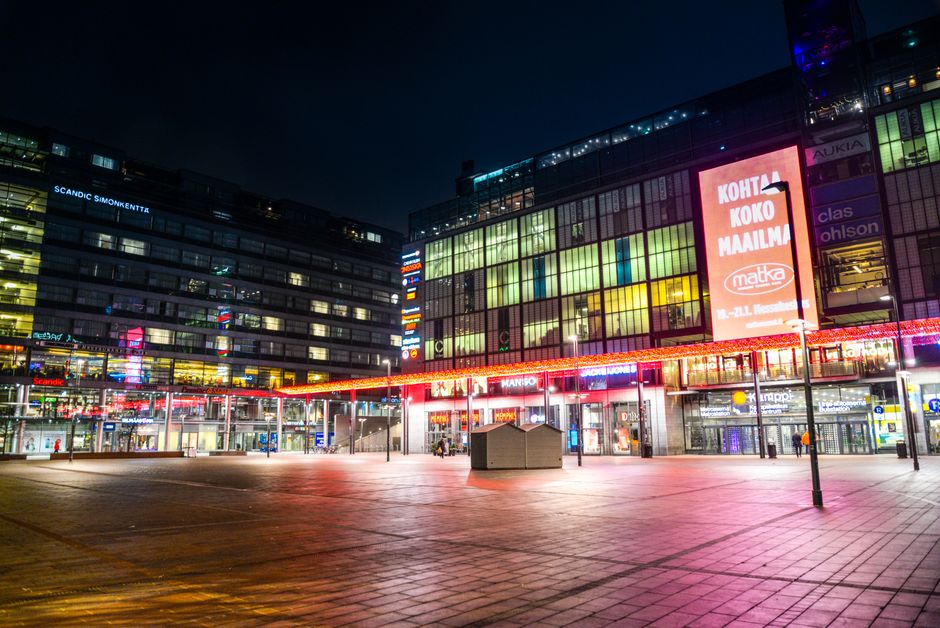
Night mobility: night buses (N-lines) cover main routes at weekends. If you plan to get home very late, plan in advance (HSL app) and, if needed, take a taxi from a well-lit, busy spot. Central neighborhoods (Kallio, Kamppi, Punavuori) are mostly safe at night, but watch for groups drinking and watch footing when the pavement is slippery in cold weather.
Local practical tips: routes, luggage, weather and emergencies
A local would tell you that preparation is the key to smooth travel. Plan routes with the HSL app, download an offline map of Helsinki, and always keep ID and a spare bank card separate from your main wallet. Here are concrete recommendations for common situations.
- Luggage: if you’re carrying large suitcases favor direct bus lines or a taxi from main stations (Central Station Elielinaukio 1). Trams and buses have limited luggage space; avoid peak hours (07:30–09:00 and 15:30–17:30) so you don’t block aisles.
- Weather: in winter bring removable shoe cleats and thermal layers. In summer the sea breeze can be surprising at the quays — a windproof jacket is often handy even on sunny days.
- Emergencies: for medical emergencies dial 112 (the common emergency number in Finland). Major hospitals include Helsinki University Hospital (HUS) — address: Haartmaninkatu 4, 00290 Helsinki. For non-urgent police matters call 0295 444 000 (local Police of Finland service).
- Language: signs and announcements are usually in Finnish and English; if you speak English you’ll be widely understood. Learning a few Finnish phrases (kiitos = thank you, anteeksi = excuse me/sorry) helps, especially in less touristy neighborhoods.
Conclusion
Helsinki is a pleasure to get around once you adopt a few local habits. The HSL network gives dense coverage and smooth connections, ferries open up easy and scenic island escapes, and cycling is an eco-friendly, fast option in season. But safety and comfort come down to planning: check your transport tickets (HSL), dress appropriately for the weather, lock your bike properly, and use official taxis for late-night transfers or heavy luggage trips.
Key addresses to remember for your travels: Helsinki Central Station — Helsingin päärautatieasema (Elielinaukio 1, 00100 Helsinki), the Market Square Kauppatori (Eteläranta 1, 00170 Helsinki) for ferries to Suomenlinna, and Kamppi Centre (Mannerheimintie 20, 00100 Helsinki) as a bus and metro hub. Fare pointers are indicative (May 2024): AB single ticket ~€3.50, 24h AB ticket ~€9.00, taxi fares vary by base fee and distance. To avoid surprises check hsl.fi before you travel or use the HSL app for real-time schedules.
Finally, pick up local habits: queuing politely, watching for icy quays, taking care at tram intersections, and being courteous to drivers and fellow travelers. With these detailed tips and simple precautions, your journeys in Helsinki will be safe, efficient and often enjoyable — the perfect chance to soak up the city and its maritime scenery without stress.