





Introduction — Why Helsinki belongs on every architecture and museum lover’s itinerary
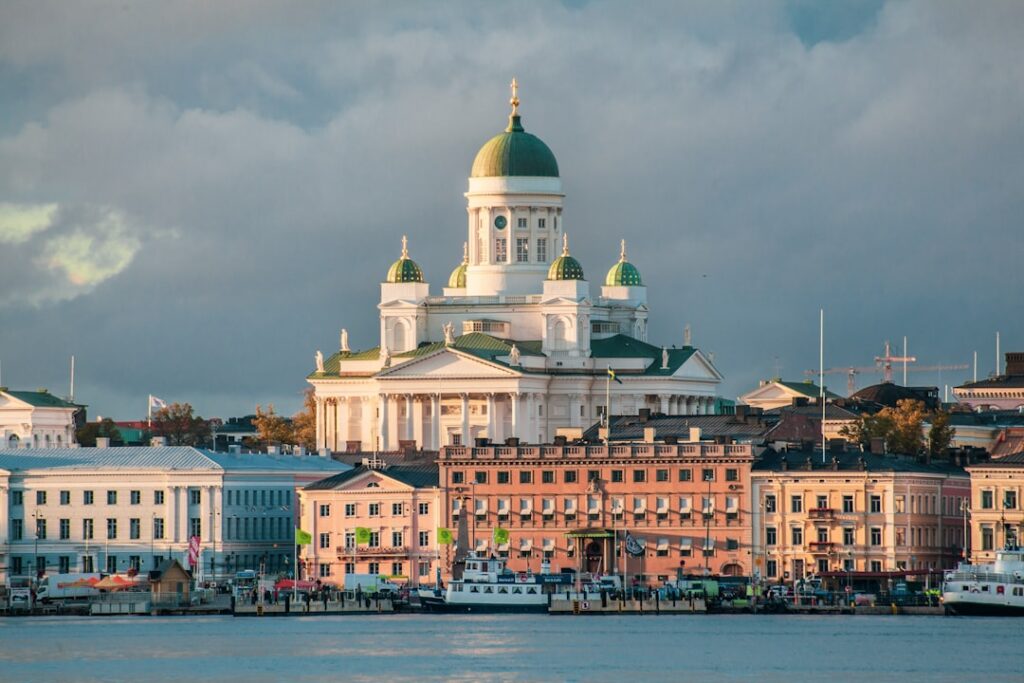
Helsinki, Finland’s capital, blends Nordic architecture, minimalist design and lively museum spaces that tell the story of a forward-looking nation. Built across an archipelago of over 300 islands in the Baltic Sea, the city weaves together Russian imperial heritage, Scandinavian influences and Finnish modernism into a varied urban fabric. For curious travelers, Helsinki is an ideal destination: within a few kilometers you can go from a neoclassical square lined with churches to an entire church carved from rock, from an Art Nouveau building to a futuristic library of wood and glass.
This guide focuses on eight cultural treasures — places where the architecture itself is part of the exhibition and where museum collections sit in harmonious dialogue with their buildings. Each section offers an immersive description of the site, exact address, typical opening hours, prices in euros (when applicable), and practical tips to make the most of your visit. Whether you’re a budding architect, an art fan, a photographer or a culturally-minded traveler, these stops will give you a rounded view of Helsinki’s visual and intellectual identity.
The selection brings together historical icons like the “white cathedral” overlooking Senate Square, modernist works by architects such as Alvar Aalto, and contemporary institutions that reinvent the museum experience. Beyond practical info (admission fees, opening times), this guide includes local tips: best times to visit, photo advice, recommended transport and lesser-known alternatives to escape the crowds. The descriptions are designed to help you plan detailed visits but also to encourage slow appreciation — in Helsinki, architecture is often best enjoyed in the calm of northern light.
Before you start, keep a few general tips in mind: in summer museums often extend their hours and daylight can stretch toward midnight; in winter days are short and the contrast between white snow and darker façades creates unique photo opportunities. Always check official websites for special hours and temporary exhibitions: the prices here are indicative and may vary depending on shows and discounts (students, seniors, families). Many of these sites offer audio guides or guided tours that greatly enrich architectural understanding.
1. Helsinki Cathedral (Helsingin tuomiokirkko) — Neoclassicism and a commanding city view
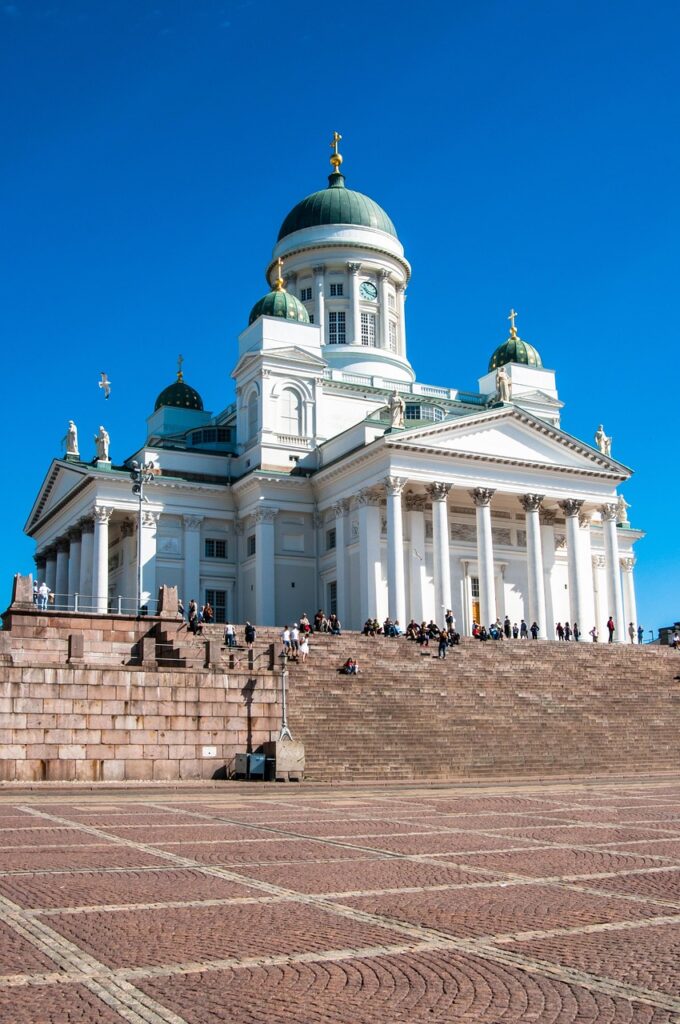
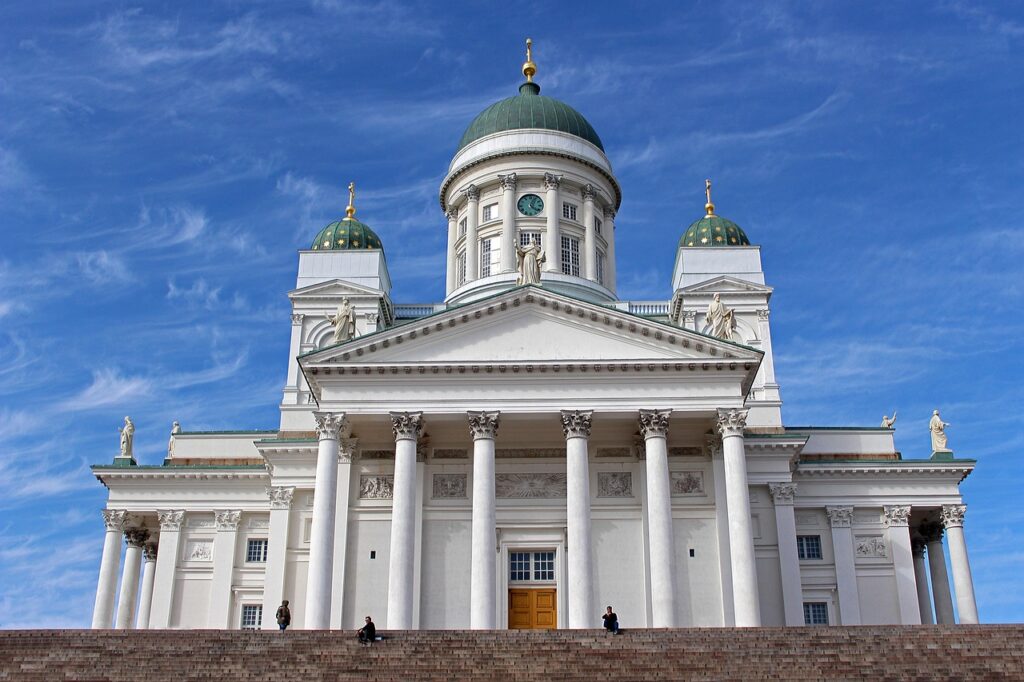
The Helsinki Cathedral (Helsingin tuomiokirkko), also known simply as Helsinki Cathedral, is one of the city’s most recognizable symbols. It dominates Senate Square and, together with the surrounding neoclassical buildings, creates a highly photogenic urban panorama. Designed by Carl Ludvig Engel and completed in 1852, the cathedral features a pristine white façade, a central dome flanked by four smaller domes, and a broad staircase leading down to the square — a classic example of neoclassicism adapted to the Scandinavian context.
Address: Unioninkatu 29, 00170 Helsinki
Typical opening hours: Open to the public daily, usually 10:00–16:00 (times vary by season and religious events).
Price: Free entry for most visitors. Donations are encouraged for concerts and special guided tours.
Immersive description: as you approach the cathedral you’ll immediately notice the dramatic effect of the staircase leading up to the façade, designed to create a majestic perspective of the white silhouette against the northern sky. The interior is more restrained than the exterior, offering a contemplative atmosphere with finely crafted liturgical elements. When choir concerts are held (common in summer), the nave’s excellent acoustics add a sensory layer to the visit.
Local tips:
- Best time to visit: early morning to avoid tourist groups and to catch low, flattering light for photos.
- Getting there: trams and buses serve the city center; the nearest metro stop is Helsinki Central Station, followed by a 10–15 minute walk.
- Photography: for the classic shot, stand in the middle of the staircase and aim for a slightly overcast sky to get a soft contrast between the cathedral and the background.
- Events: check the concert schedule — the cathedral often hosts free or low-cost performances.
2. Temppeliaukio Church (Rock Church) — architecture hewn from solid granite
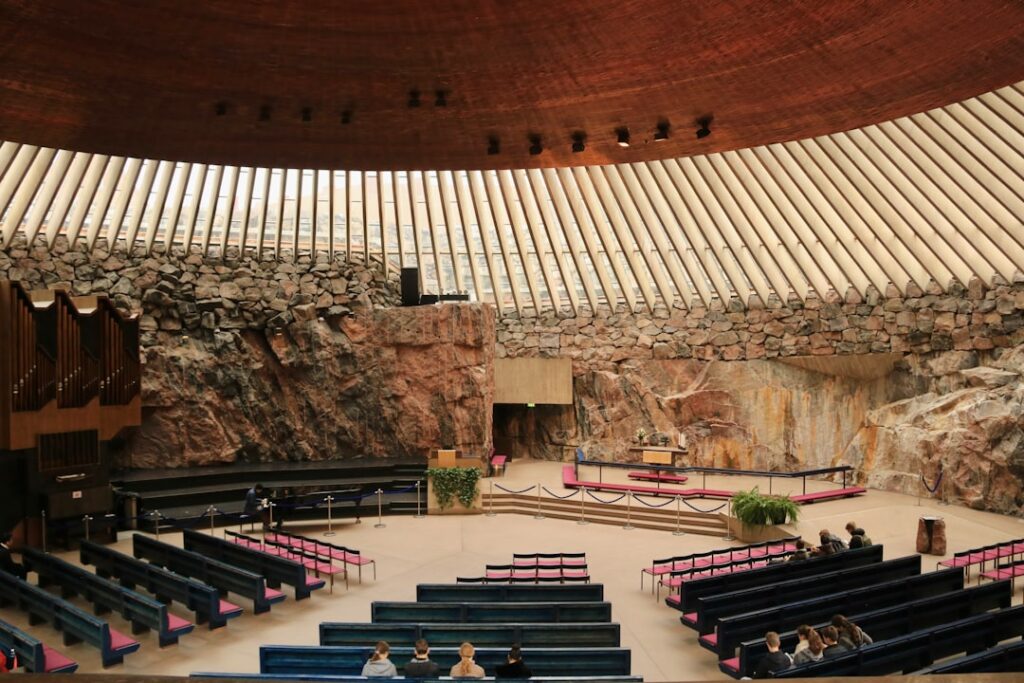
The Temppeliaukio Church, commonly called the Rock Church, is an architectural triumph that transformed a natural outcrop in the city center into a luminous, singular sanctuary. Designed by brothers Timo and Tuomo Suomalainen and opened in 1969, the church is literally carved into bedrock, with exposed granite walls and a copper-domed ceiling that lets natural light pour into the interior. The result is a space that feels both raw and welcoming, ideal for quiet reflection and frequently used for concerts thanks to its outstanding acoustics.
Address: Lutherinkatu 3, 00100 Helsinki
Typical opening hours: Usually open 10:00–17:00 (hours may extend in summer and vary with religious services).
Price: Entrance fee for non-service visitors: around €3–5 (indicative). Concerts and special events may have separate pricing.
Immersive description: entering through a modest street-level door, you descend into a central space where raw rock envelops the congregation. The wooden floor brings warmth and contrasts with the mineral walls. The copper dome, aged to a gentle patina, reflects a golden hue when sunlight hits it. Visitors often report a mix of wonder and intimacy — this church is unlike any other in Northern Europe.
Local tips:
- Best time to visit: outside service times (check the schedule); evenings are especially dramatic when interior lighting enhances the atmosphere.
- Getting there: a 10–15 minute walk from Helsinki Central Station, easily reachable on foot if you’re staying downtown.
- Respect: Temppeliaukio is an active place of worship — keep a respectful demeanor, especially during services.
- Photography: flash may be restricted; shooting in RAW helps capture granite textures and the warmth of the copper dome.
3. Suomenlinna — sea fortress, museums and scenic architectural walks
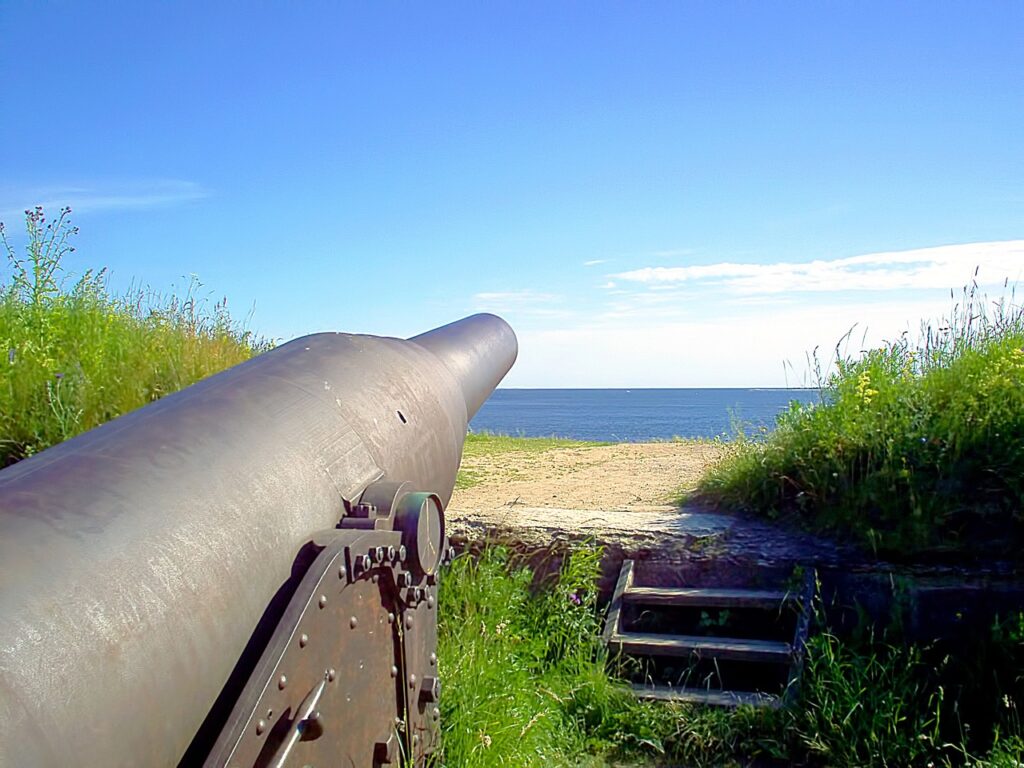
The fortified complex of Suomenlinna (Suomenlinna Sea Fortress) is a must-visit for anyone who wants to combine military architecture, museums and maritime landscapes. A UNESCO World Heritage site, the fortress spans several islands and offers strolls along stone ramparts, military history museums and well-preserved period buildings. Originally built by the Swedes in the 18th century and later reshaped under Russian influence, Suomenlinna illustrates the strategic history of the Baltic archipelago.
Address: Ferry from Market Square (Kauppatori), departures to Suomenlinna. Visitor Centre: Suomenlinna C 8, 00190 Helsinki.
Hours: The HSL ferry runs year-round, with increased frequency in summer; the Visitor Centre is generally open 10:00–16:00, seasonal variations apply.
Price: The ferry is included with an HSL transport ticket — a single adult fare is typically around €2.90 (zone AB); some island museums (for example the Ehrensvärd Museum) charge about €8–10.
Immersive description: approaching by boat immediately lifts you out of the urban density. When you land you’re greeted by stone walls, cannons facing the sea and meadows where locals and visitors picnic. Suomenlinna’s museums break down history into themes: fortifications, daily life, the impact of conflicts and heritage conservation. Military buildings, barracks converted into exhibitions and small chapels create an architectural route where every vantage point gives you a view of the maritime horizon.
Local tips:
- Best time to visit: weekday mornings or late afternoons to avoid crowds; summer (June–August) is high season.
- Transport: take the ferry from Market Square (Kauppatori) or use an HSL pass; the crossing takes about 15–20 minutes.
- Food & drink: there are a few cafés and seasonal restaurants on the island, but bring water and snacks in summer if you plan long walks.
- Accessibility: some areas are uneven — wear good walking shoes.
4. Ateneum — Finland’s National Gallery and its classical collection
The Ateneum Art Museum is part of the Finnish National Gallery and houses the country’s richest collection of classical and modern art. Located a short walk from the central train station, it occupies a monumental neoclassical building that fits seamlessly into the city center. Ateneum displays Finnish masterpieces — works by Akseli Gallen-Kallela, Helene Schjerfbeck — alongside high-level international temporary exhibitions.
Address: Kaivokatu 2, 00100 Helsinki
Typical opening hours: Tuesday–Sunday, generally 10:00–18:00; Thursdays often open until 20:00 (hours vary with exhibitions).
Price: Adult ticket: around €17 (indicative). Discounts for students and seniors; under-18s usually free.
Immersive description: you enter up a staircase into a solemn hall. The galleries are organized chronologically and thematically, letting you move clearly through Finland’s artistic history. Gallen-Kallela’s golden motifs, Schjerfbeck’s intimate portraits and monumental Nordic landscapes weave a visual narrative that resonates with Finnish territory and identity.
Local tips:
- Best time to visit: weekday afternoons to avoid weekend crowds; Thursday evenings often have a quieter feel.
- Events: check the schedule for lectures and guided tours, frequently offered in English.
- Tickets: buying online secures access to temporary exhibitions; combo tickets with other institutions (like Kiasma) may be available at a discount.
- Archaeology & design: don’t miss galleries focused on the Finnish landscape — they provide a helpful contrast to contemporary work elsewhere in the city.

5. Kiasma — Museum of Contemporary Art
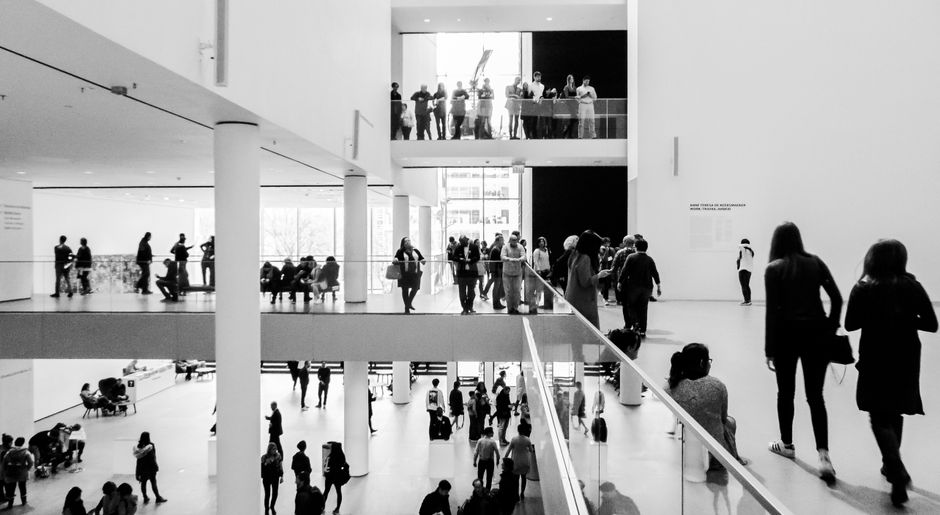
Kiasma is a window onto Finland’s and the world’s contemporary art scene. Designed by American architect Steven Holl and opened in 1998, the building itself is a piece of contemporary architecture with curving volumes, white surfaces and light-filled openings that shape the curatorial experience. Kiasma hosts rotating temporary shows, performances, multimedia installations and public programs.
Address: Mannerheiminaukio 2, 00100 Helsinki
Typical opening hours: Tuesday–Sunday 10:00–18:00; Thursdays until 21:00 (hours vary by exhibition).
Price: Adult ticket: around €15 (indicative). Discounts for students, young people and seniors; some events may have separate fees.
Immersive description: inside Kiasma you’ll move between large white galleries, narrow transitional spaces and windows framing city views, creating a route that surprises visitors. Exhibitions invite critical reflection — sound installations, video works and participatory pieces punctuate the visit. A bright café and a design shop round out the experience, giving you a relaxed place to linger.
Local tips:
- Best time to visit: Thursday evenings to take advantage of extended hours and a more relaxed atmosphere.
- Accessibility: Kiasma offers accessible facilities, though some temporary installations may have limitations.
- Photography: most contemporary exhibitions allow photography without flash for personal use; check on-site signage.
- Pairing: combine Kiasma with a walk through the University Square park and a visit to the nearby central station.
6. Amos Rex — an underground museum experience with luminous domes
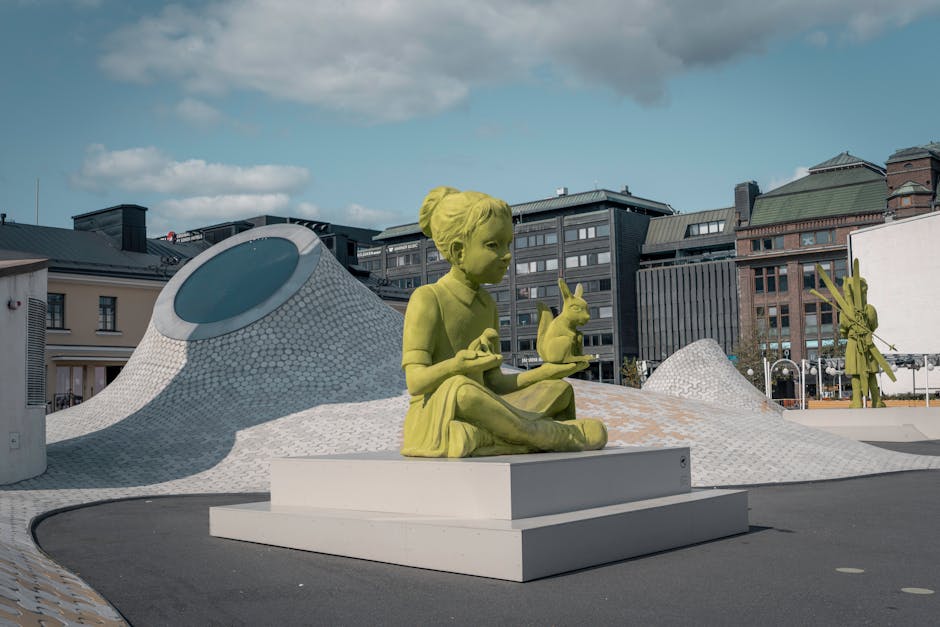
Amos Rex is one of Helsinki’s most innovative museums: it pairs striking contemporary architecture with bold artistic programming. Located beneath Lasipalatsi Square, the museum is known for its rounded domes that rise from the urban surface like luminous hills. Reopened in its current form in 2018, Amos Rex offers immersive exhibitions that are often interactive and focused on visual and sensory experience.
Address: Mannerheimintie 22–24, 00100 Helsinki
Typical opening hours: Tuesday–Sunday 11:00–18:00; Thursdays until 20:00 (hours vary by exhibition).
Price: Adult ticket: around €16–18 (indicative, depending on the exhibition). Reduced rates for youth and seniors; special events may have separate pricing.
Immersive description: approaching Lasipalatsi you’ll spot the white domes dotted across the square. Descending into the exhibition space feels like entering an underground cinematic world. Amos Rex favors immersive installations, large-scale projections and multimedia experiences that appeal to art lovers and families alike. The museum shop and café continue the design-forward aesthetic with a curated selection of objects and publications.
Local tips:
- Best time to visit: weekday afternoons or Thursday evenings; weekends get busy, especially for popular shows.
- Tickets: buy online to guarantee entry during peak times.
- Family-friendly: Amos Rex frequently runs children’s programs — great for a multisensory family outing.
- Photography: restrictions may apply depending on the installation — check the rules at the entrance.
7. Design Museum Helsinki — celebrating Finnish design
The Design Museum in Helsinki celebrates Finland’s long design tradition: furniture, textiles, graphic design and everyday objects are displayed with thoughtful staging. Housed in a historic building, the museum traces Finnish design from Art Deco to contemporary innovations, explaining the relationship between function, form and material quality — cornerstones of Finnish aesthetics.
Address: Korkeavuorenkatu 23, 00130 Helsinki
Typical opening hours: Tuesday–Sunday 11:00–18:00 (hours vary with exhibitions).
Price: Adult ticket: around €12 (indicative). Discounts for students and seniors; under-18s often free according to current policies.
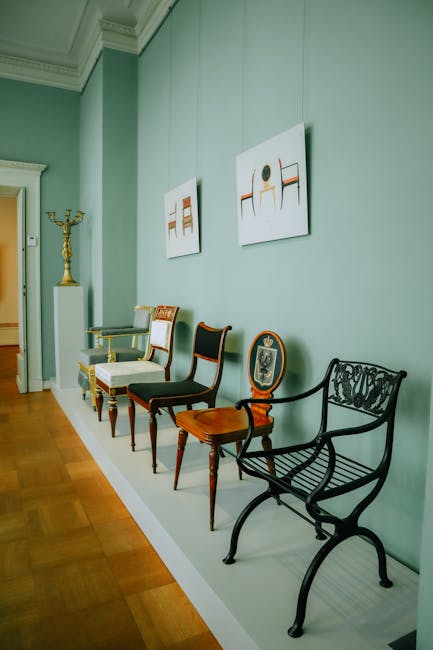
Immersive description: the visit often starts with iconic Finnish design pieces — classic chairs, lighting and textiles — shown in spaces that respect the objects’ presentation. Temporary exhibitions explore varied themes: sustainable design, international collaborations and more. Visitors will notice the museum’s attention to materials and detail — a hallmark of Finnish design.
Local tips:
- Best time to visit: weekday mornings for a calm exploration of the permanent collection.
- Souvenirs: the museum shop is excellent for authentic Finnish design — perfect for a meaningful gift or a sustainable purchase.
- Workshops: the museum sometimes runs hands-on workshops about design and making; check the program to participate.
- Combined visit: the nearby Design District offers many galleries and specialist shops if you want to extend the theme.
8. Oodi — Helsinki Central Library, architecture and cultural services
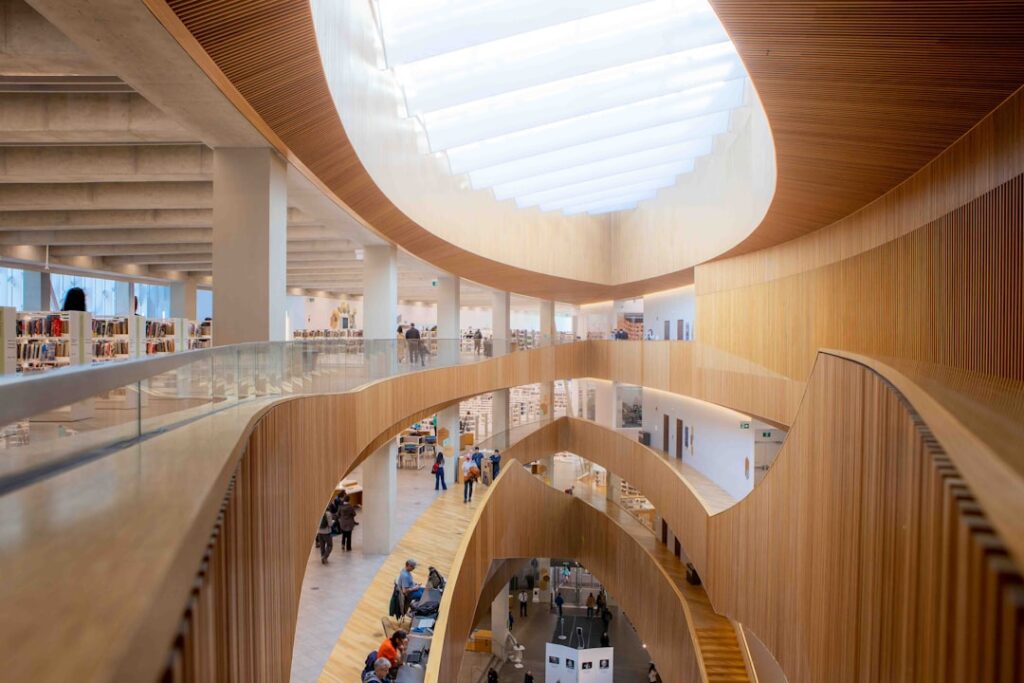
Oodi, Helsinki’s central library, is far more than a library: it’s a modern cultural hub, a lively public space and an architectural achievement. Opened in 2018, Oodi is designed as a meeting, creation and relaxation space, combining wood, glass and fluid volumes. Located on the edge of Töölönlahti Park, it offers views over the water and the city, with an open interior spread across three levels.
Address: Töölönlahdenkatu 4, 00100 Helsinki
Typical opening hours: The library is generally open seven days a week, with extended weekday hours (e.g. 08:00–21:00) and shorter Sunday hours (e.g. 11:00–19:00); check current times online.
Price: Public spaces are free to access; some activities are paid (workshops, room rentals, 3D printing) with variable fees.
Immersive description: Oodi impresses with its generous entrance hall, curved wooden staircases and large windows. On the ground floor, cafés and workspaces sit alongside informal reading areas; upstairs you’ll find meeting rooms, maker spaces and dedicated children’s areas. The vibe is youthful, creative and inclusive: Oodi positions itself as a laboratory for the digital society and a place to experiment with new cultural uses.
Local tips:
- Best time to visit: anytime during the day; in the evening reading areas and park views are particularly pleasant.
- Services: take advantage of the maker spaces (3D printing, sewing machines), often bookable and sometimes paid.
- Photography: the warm wooden interior offers a great palette for architectural photos; the façade seen from the park makes an attractive composition with the water.
- Accessibility: the building is fully accessible and stroller-friendly; many services are free for residents and visitors alike.
Conclusion — Suggested route and practical tips to enjoy the eight treasures
Helsinki offers a compact urban network where each stop — cathedral, rock church, sea fortress, classical and contemporary museums, the design hub and the central library — reveals a different facet of Finnish culture. For a first visit focused on architecture and museums, here’s a practical two- to three-day itinerary:
Day 1: start at the Helsinki Cathedral and Senate Square, then walk toward the central station to visit the Ateneum (permanent and temporary exhibitions). Finish the day with a stroll through the city center and dinner in the Design District.
Day 2: begin at Temppeliaukio (Rock Church), continue to Kiasma for a contemporary immersion, and late afternoon explore Amos Rex and its underground architecture. Evening: catch a concert or event depending on the local program.
Day 3: devote a half-day to Suomenlinna (allow time for the ferry and wear good shoes), then return to town to visit the Design Museum and finish with some downtime at Oodi, where you can try the maker spaces and enjoy the café.
A few practical tips to optimize your trip:
- Tickets & opening hours: buy online for popular museums (Amos Rex, Kiasma, Ateneum) to avoid queues, especially in summer. Always double-check official sites before heading out — hours can change for holidays or temporary exhibitions.
- Transport: the HSL network (buses, trams, metro and ferries) is efficient; get an HSL card or use the mobile app for day tickets if you plan multiple trips. The Suomenlinna ferry is included in HSL fares.
- Combo tickets: look for combined museum tickets or passes to save money if you plan to visit several institutions in a few days.
- Clothing: pack layers and waterproofs in autumn/winter, and light but windproof clothes in summer (the archipelago breeze can be cool even in July).
- Local etiquette: Finns value quiet and respect in public spaces — keep a low profile in places of worship and memorials, and follow museum guidelines.
In short, these eight cultural treasures in Helsinki offer a rich and varied introduction to the city: they reveal how history, climate, materials and design sensibility have shaped a modern Nordic capital. Each site deserves time — not just to see, but to feel the architecture and to appreciate how museums narrate Finland’s story. Whether you’re drawn to neoclassical monumentality, contemporary experimentation or the ingenuity of a church carved from stone, Helsinki serves up memorable experiences that linger long after you leave.