





Introduction: Social etiquette in Helsinki — understand it to fit in
Helsinki, Finland’s sleek and modern capital, is a city where social etiquette shows up in the smallest gestures: from queuing to the sauna cabin, and even in the quiet of public transport. Getting a handle on these unspoken rules will help you sidestep awkward moments and turn a visit into a respectful encounter with local culture. This guide is a practical, detailed resource to help you avoid faux pas in Helsinki — with exact addresses, typical opening hours, approximate prices, immersive descriptions and concrete tips that are useful whether you have a few hours or a longer stay.
Finns are known for their reserve, punctuality and respect for personal space. That doesn’t mean they’re cold — quite the opposite: relationships develop with honesty and simplicity. Many interactions follow unwritten rules — avoid public flamboyance, respect the quiet in shared spaces, and value authenticity over flashy displays. In Helsinki these codes pop up everywhere: in market cafes, around museums like Kiasma (Museum of Contemporary Art, Mannerheiminaukio 2), on trams, and of course in sauna culture.
This guide covers common situations — arrivals, transport, museums, food, sauna, markets, communication and polite gestures — offering concrete examples and best practices. You’ll find notable spots (with full addresses and typical hours), price ranges in euros to plan your budget, and local pointers to avoid misunderstandings. Whether you’re dining by the sea at Löyly (Hernesaarenranta 4), visiting the National Museum of Finland (Mannerheimintie 34), or taking a tram to Senate Square, a few simple codes will help you come across as a polite, respectful visitor.
Finally, this guide highlights the difference between formal rules and cultural habits: some practices aren’t enforced, but they make social interactions much smoother. Practical details (hours, prices, routes) are indicative and can change with the season or venue policies. Check official sites before you go for updates. Now let’s explore these social codes by theme, with concrete advice and places where you can watch and practice these behaviors in context.
Transport and public spaces: punctuality, queuing and quiet
Public transport in Helsinki is reliable and widely used. The central station, Helsingin päärautatieasema (Helsinki Central Station), is at Kaivokatu 1 and is lively roughly between 05:00 and 01:00; the main hall is a common meeting point, recognizable by its large clock and stone façades. 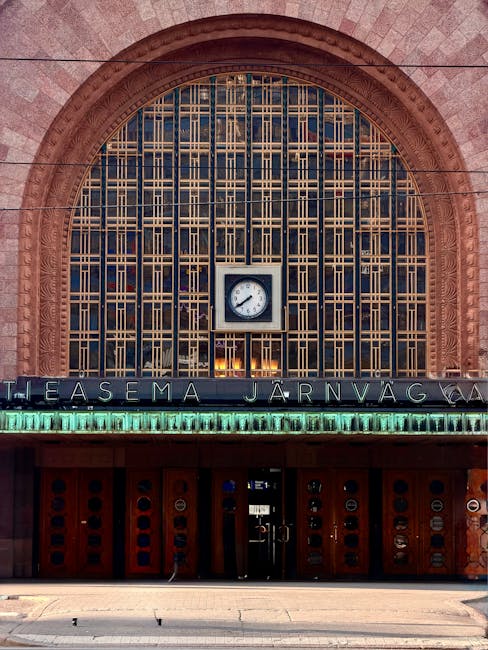 Tram, bus and metro schedules are followed closely: arriving a few minutes early is considered good manners. HSL (Helsinki Regional Transport) tickets are required; a single zone A ticket typically costs around €3.20 (buy via the HSL app or ticket machines). The ferry to Suomenlinna is included in zone A, so the same ticket covers your crossing and return.
Queuing is sacred. Whether at a bus stop, a ticket counter or a coffee kiosk, Finns form orderly lines and don’t cut in. If you find yourself in an unclear situation, wait for others to lead or let people pass politely. A discreet smile and a « kiitos » (thank you) are well received.
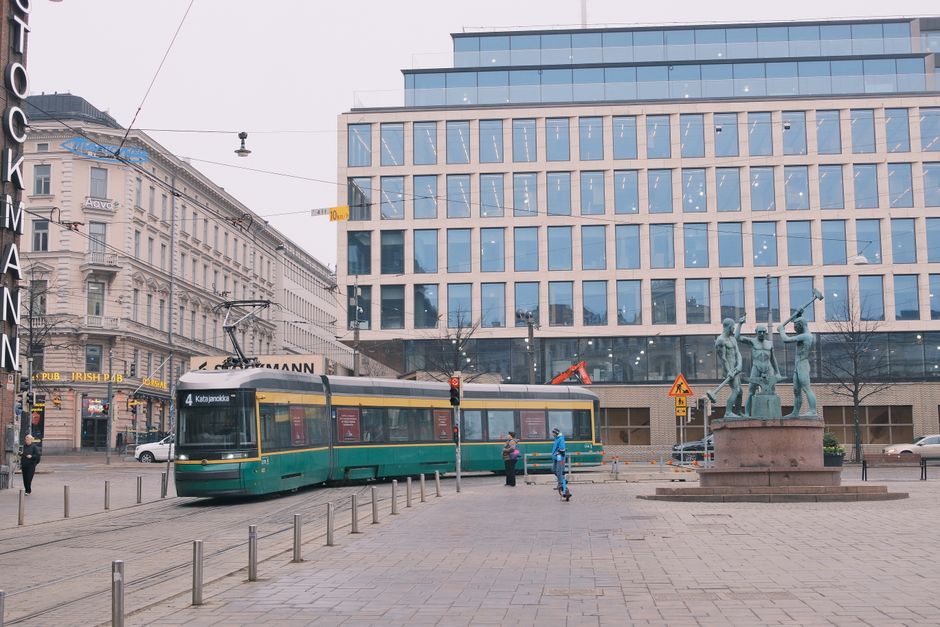
Silence or low voices are appreciated on public transport: keep phones on silent, speak quietly. Loud talking in public is seen as intrusive. Likewise, it’s frowned upon to take up extra seats — leave room for other passengers, especially at peak times. If you need to take a call, step out of the carriage or speak in a whisper to respect the atmosphere.
Practical tips:
- Tickets: Buy through the HSL app or from station machines. Single zone A ticket ≈ €3.20; day and week passes available for longer stays.
- Punctuality: arrive 5–10 minutes before the scheduled departure; transport often leaves on time.
- Queuing: strict respect — never cut in line.
- Noise level: keep voices low on trams and metros; use headphones at a moderate volume.
Museums, churches and cultural sites: behavior, photos and fees
Helsinki is rich in museums and cultural spaces where respect for the rules is expected. Here are a few venues and tips to visit them without making mistakes.
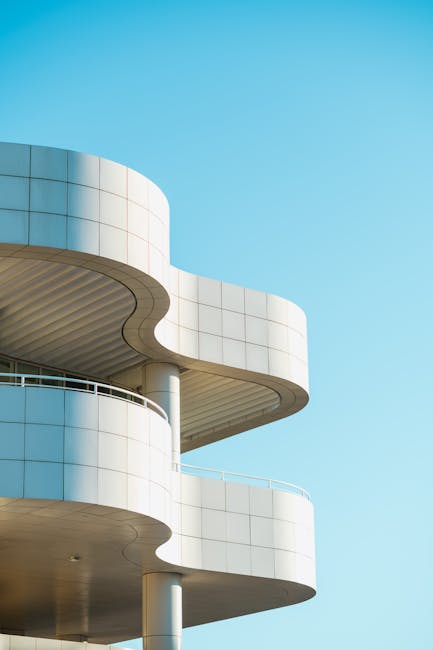
Kiasma — Museum of Contemporary Art, Mannerheiminaukio 2. Typical hours: Tuesday–Sunday 11:00–18:00, Wednesday until 20:00, closed Monday. Admission: adult ≈ €17, concessions for students and seniors; sometimes free on the first Friday of the month (check kiasma.fi). Photography without flash is generally allowed in non-restricted areas, but follow signage and staff instructions. Speak quietly and avoid touching the artworks. Contemporary exhibits invite contemplation; it’s normal to stand and observe in silence.
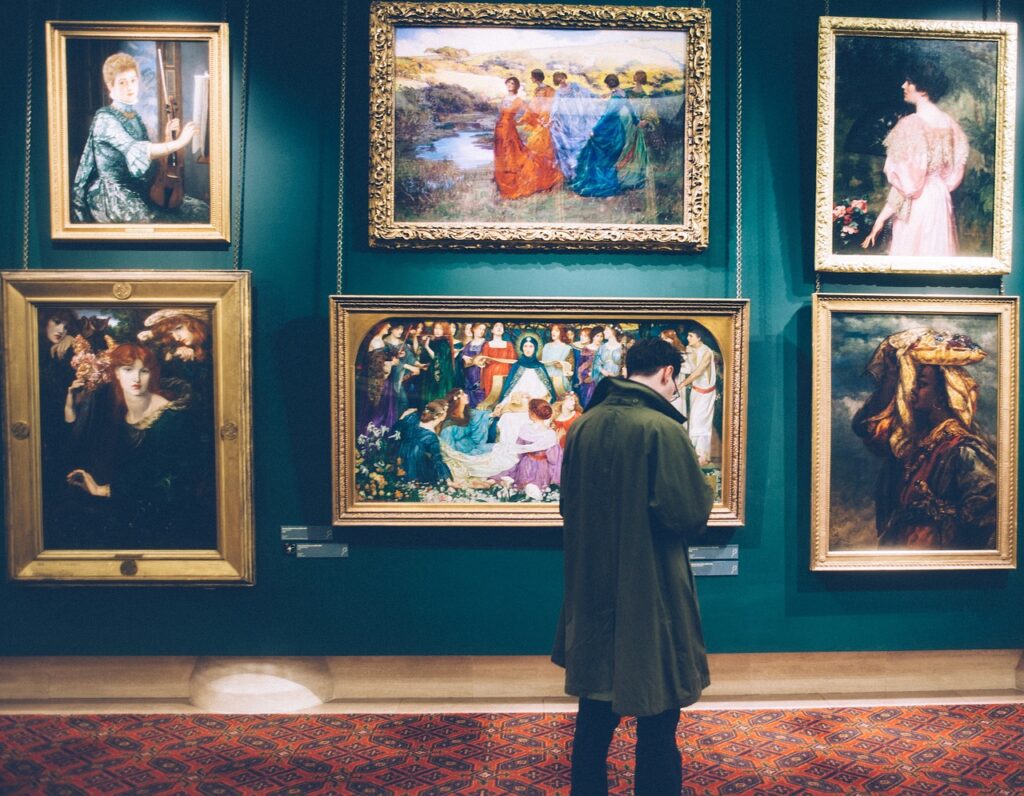
Ateneum (Ateneum Art Museum), Kaivokatu 2. Typical hours: Tuesday–Sunday 10:00–18:00, Wednesday 10:00–20:00. Admission: adult ≈ €17. The National Museum of Finland, Mannerheimintie 34, is usually open 11:00–18:00, adult ticket ≈ €12. Items like walking sticks or umbrellas may need to be left at the cloakroom. Guided tours are often in English or Finnish; check schedules and fees.
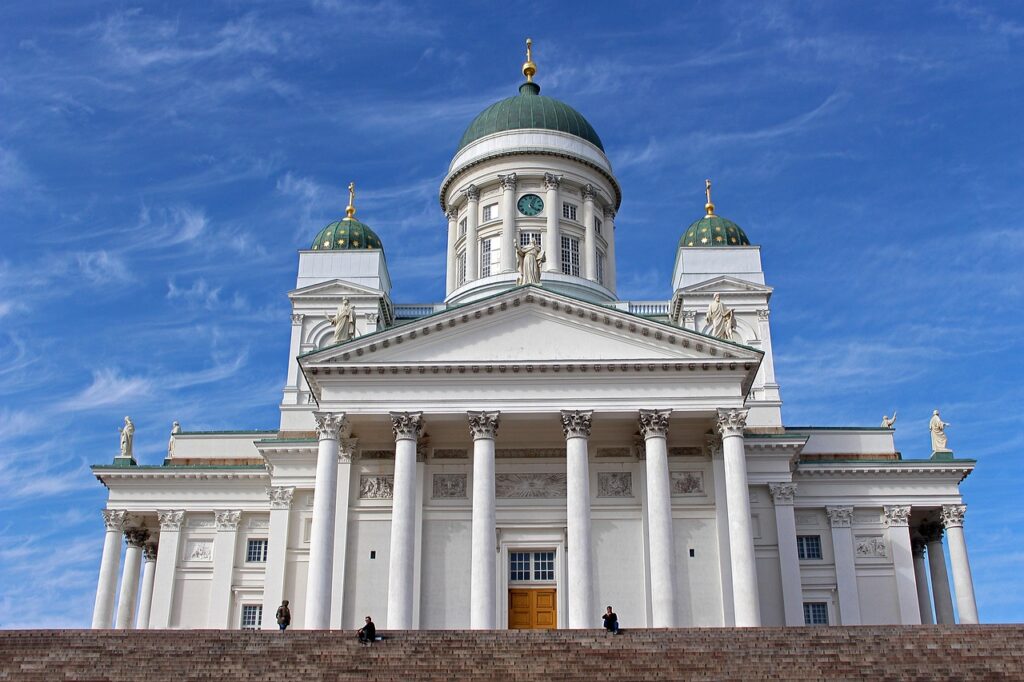
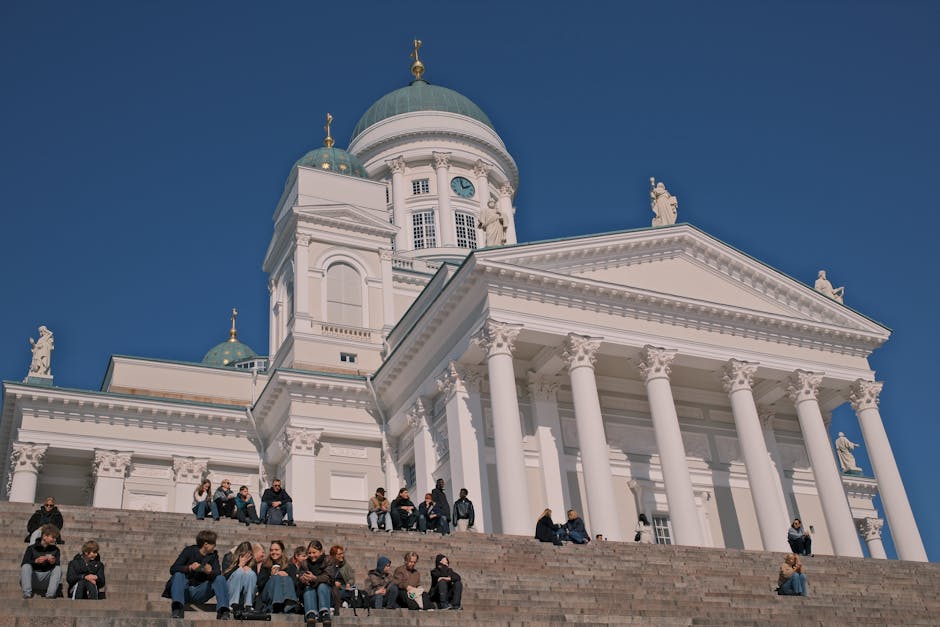
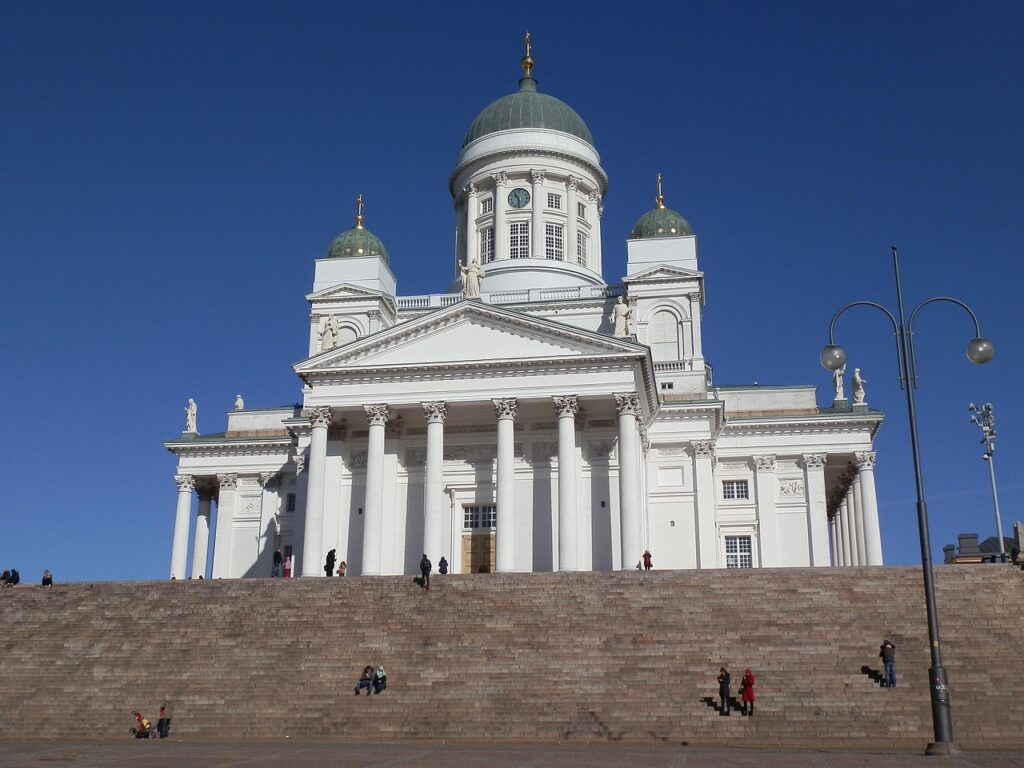
Churches, like the Helsinki Cathedral (Unioninkatu 29), are places of reflection. Typical opening hours: about 09:00–18:00 in the tourist season. Respect the silence, dress modestly (cover shoulders, avoid beachwear), and don’t sit in the front rows during a service. Photography is usually allowed but without flash.
Practical tips:
- Clothing: choose modest, comfortable attire; follow rules for churches and sacred sites.
- Photos: check signs; no flash on artworks or during services.
- Behavior: no loud voices, no food or drinks inside museums.
- Fees: budget about €12–€17 per museum; free days vary by institution.
Food, markets and tipping: table manners and expectations
Helsinki’s food scene blends Finnish tradition with global influences. Markets and restaurants have their own etiquette: be punctual for reservations, show respect to staff, and expect a restrained tipping culture. Here are some key spots and rules to know.
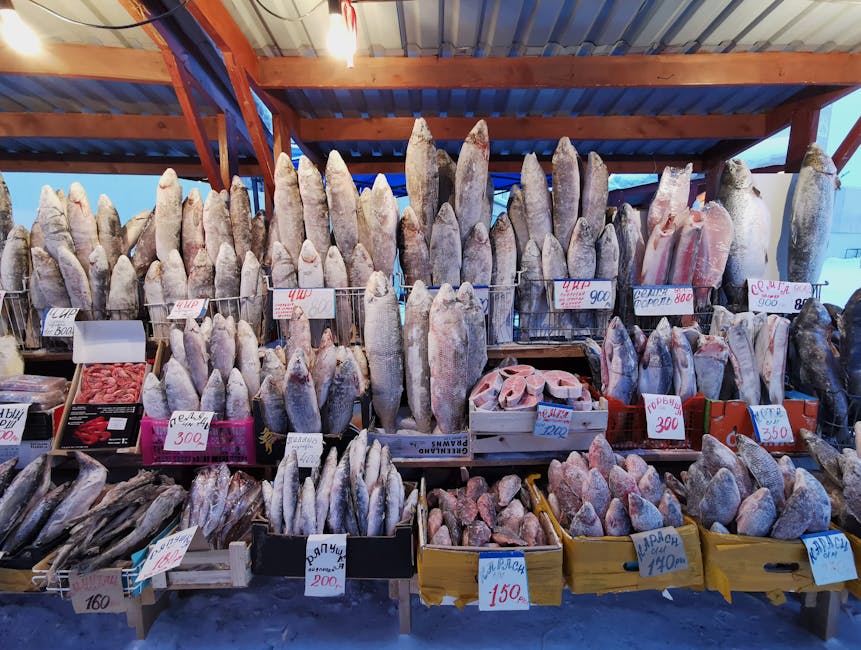
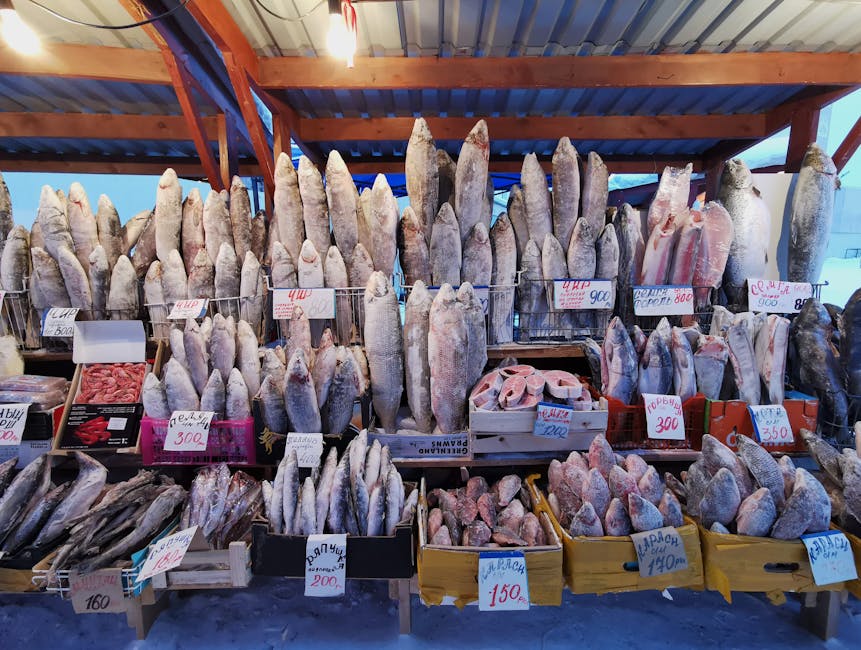
Kauppatori — Market Square (Eteläranta, adjacent to the Presidential Palace) is generally open from 07:00 to 18:00 in summer; many stalls close earlier off-season. It’s the perfect place to try smoked salmon, fish soup and local berries. Price examples: a smoked salmon sandwich ≈ €7–10, a bowl of soup ≈ €6–9. Vendors accept cards and cash; saying « kiitos » shows your appreciation.
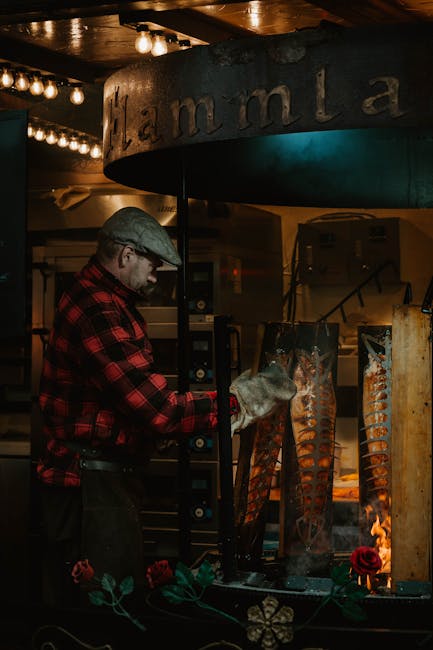
Notable restaurants:
- Löyly, Hernesaarenranta 4 — seaside restaurant and sauna. Typical hours: restaurant 11:00–23:00, sauna sessions generally 10:00–22:00; public sauna price ≈ €18–26 depending on time, main courses ≈ €15–30. Reservations recommended for dinner and weekend sauna sessions.
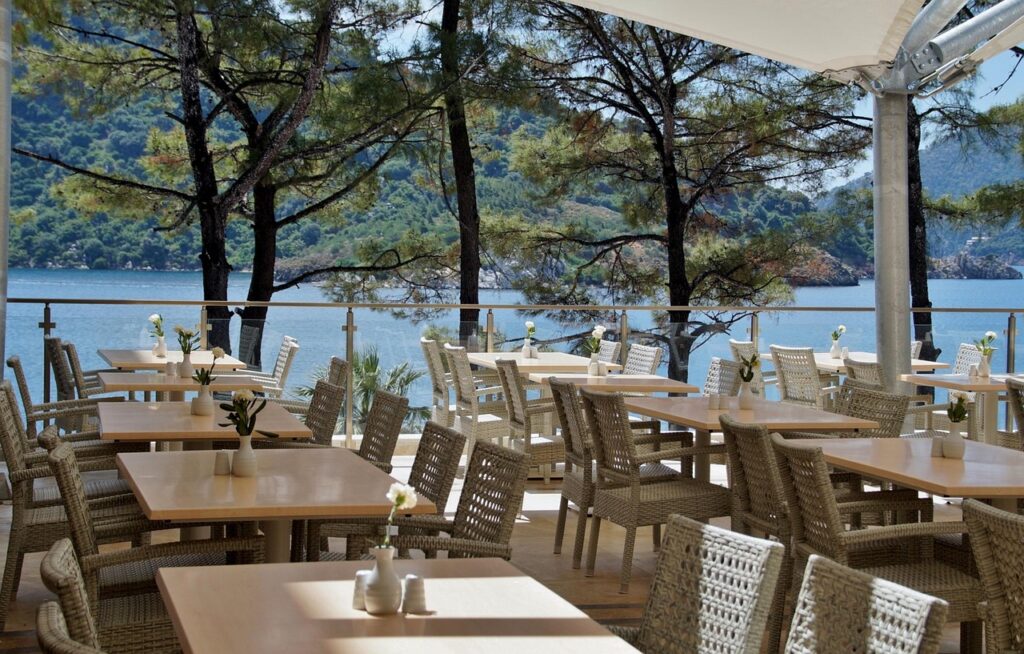
- Restaurant Savotta, Address: Aleksanterinkatu 22 — Finnish cuisine near Senate Square, mains ≈ €18–35. Usually open 11:00–22:00.
- Oodi Central Library Café, Töölönlahdenkatu 4 — café on the third floor, great for a break; hours follow the library schedule, often 08:00–21:00. Drinks ≈ €3–5.
Tipping: tipping isn’t required in Finland and service is often included. If service is outstanding, leave 5–10%; otherwise a verbal thanks and exact payment are enough. At bars you may pay at the counter before consuming. Finns value simplicity — avoid being overly demonstrative.
Practical tips:
- Reservations: book ahead for popular spots (Löyly, Savotta), especially on Friday and Saturday nights.
- Customs: wait for everyone to be served before starting to eat if you’re dining with locals.
- Allergies: restaurants are accommodating; say « allergia » or « minä olen allerginen » and explain in English if needed.
Sauna, nature and privacy: golden rules of Finnish wellbeing
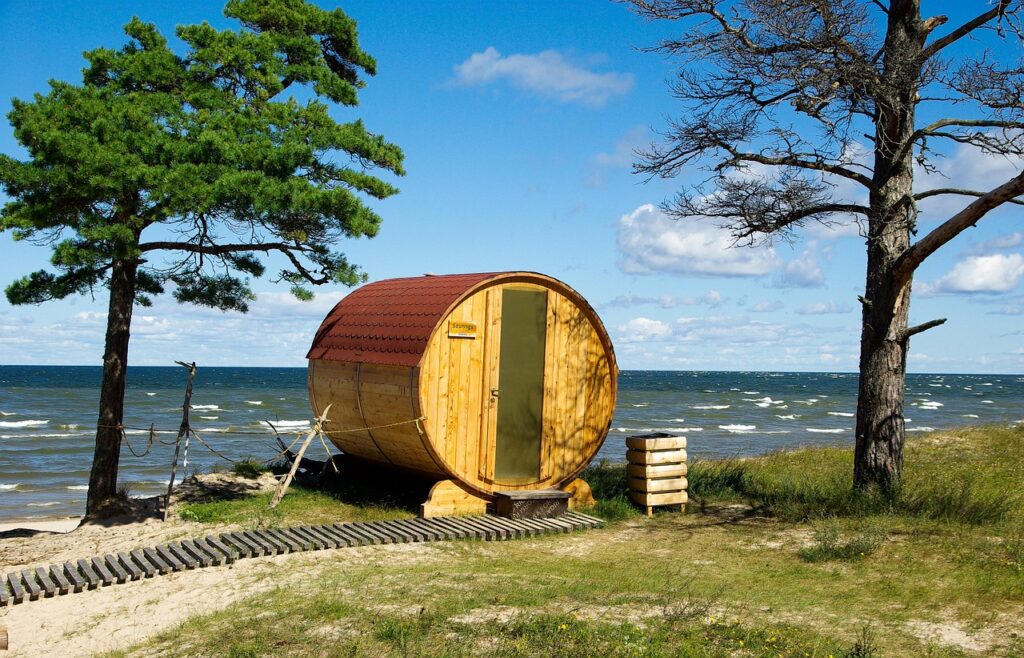
The sauna is a national institution. In Helsinki, places like Löyly (Hernesaarenranta 4) and neighborhood public saunas have particular codes. The sauna is a shared relaxation space built on sincerity. Knowing its rules will spare you from awkward moments.
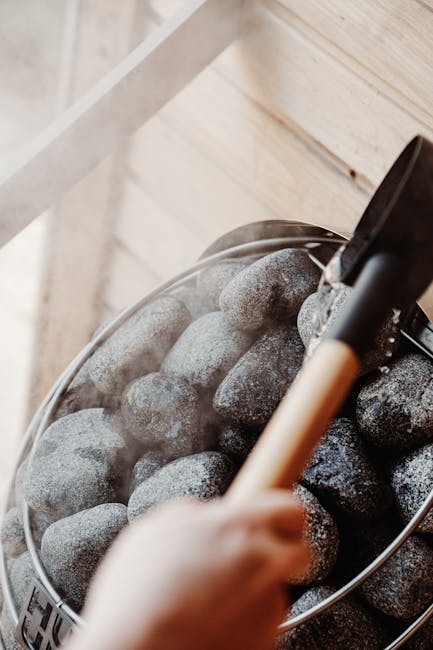
General sauna etiquette:
- Nudity: in most mixed public saunas, nudity is the norm. Some venues have mixed sessions and others have gender-separated hours; check schedules. If you’re uncomfortable, wear a towel or choose a session where swimwear is allowed.
- Shower: shower before entering for hygiene reasons. Löyly and most public saunas have separate shower areas; sauna session price ≈ €18–26.
- Quiet: keep conversation calm and discreet; the sauna isn’t a place for loud phones or nonstop selfies.
- Respect for space: be neutral and non-intrusive. Don’t stare or take photos without consent.
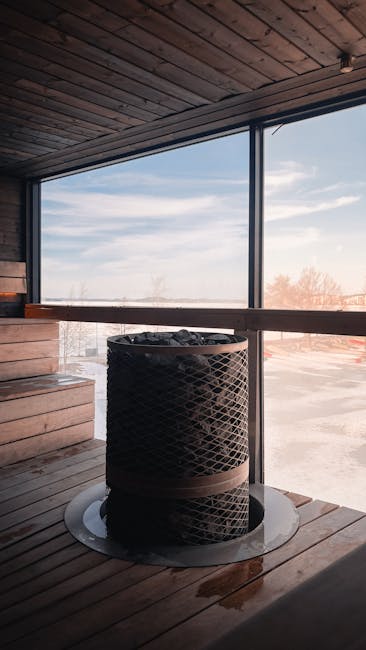
Swimming in the sea after a sauna is common in Helsinki, especially at spots like Löyly or on city piers. If you take the plunge, follow local rules and make sure swimming is allowed where you go. Season and weather often dictate the practice — in summer the experience is especially enjoyable.
Practical tips:
- Book ahead: for Löyly, reserve sauna sessions and restaurant tables via their site (löylyhelsinki.fi); arrive 15 minutes early.
- No phones: avoid calls or filming inside. Take photos only outdoors if other people are not in the frame.
- Respect nature: leave natural spots clean, take your trash with you, and follow trails and restrictions to protect the environment.
Communication, greetings and social interactions: simple and honest
Finns value clarity and authenticity in communication. These social rules and turns of phrase will help you avoid misunderstandings and build pleasant interactions.
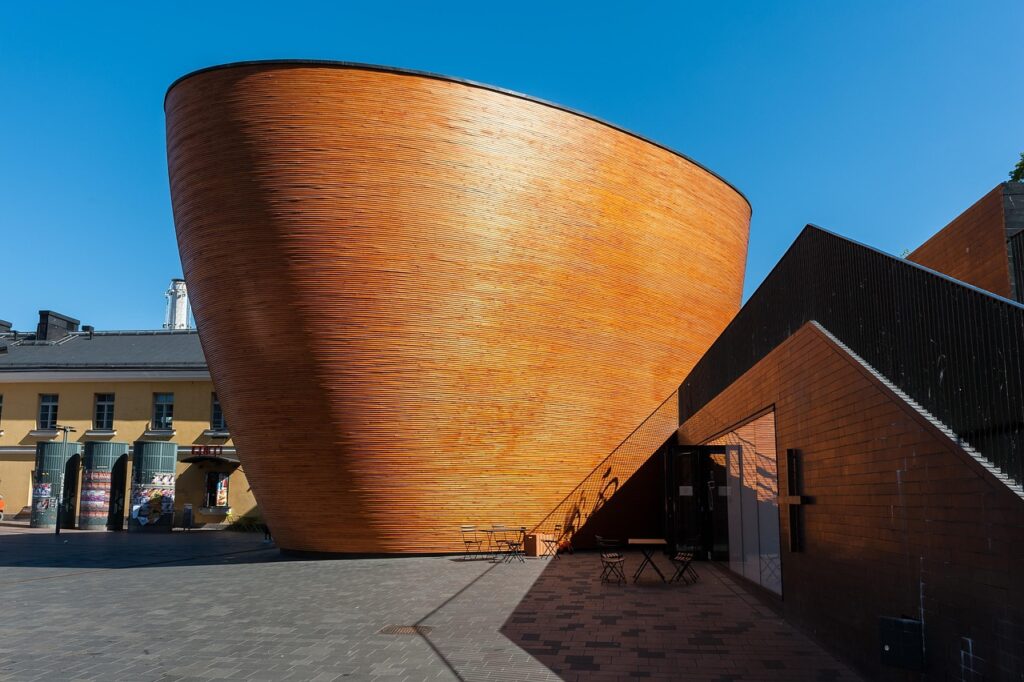
Greetings and courtesies:
- First name: Finns usually use first names, even in casual professional settings. Starting with Mr./Mrs. isn’t necessary unless in formally hierarchical situations.
- Handshake: firm and brief; eye contact is appreciated but not forced. Hugs are reserved for close friends.
- Language: English is widely spoken; a small effort in Finnish (« kiitos » for thank you, « anteeksi » for excuse me/sorry) is appreciated and seen as polite.
Conversations:
- Private vs public: avoid bringing up very personal topics (income, family status, heated politics) on a first meeting. Finns value privacy and open up more slowly.
- Comfortable silence: don’t feel you need to fill every pause — silence isn’t rude; it often signals respect and thoughtfulness.
- Honesty: being direct but polite is the norm. If you can’t make an appointment, give notice — punctuality is expected.
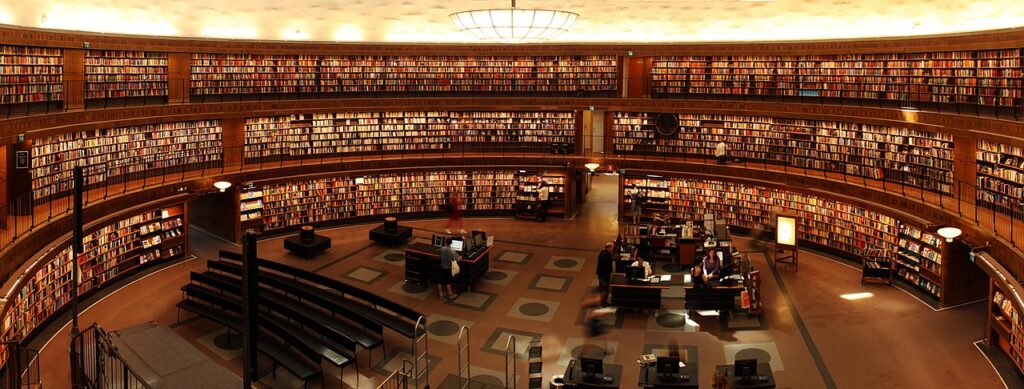
Respect for shared spaces:
- Recycling: sorting waste is common in Helsinki. Look for bins labeled « paperi », « kartonki », « bio » and « sekajäte ». Leaving trash on the street is frowned upon.
- No-smoking: many public places are smoke-free; look for designated smoking areas.
- Respect timings: arrive on time for appointments and cultural events; cancelling without notice is a real faux pas.
Handy addresses to remember
- Helsinki Cathedral, Unioninkatu 29 — opening roughly 09:00–18:00.
- Kiasma — Museum of Contemporary Art, Mannerheiminaukio 2 — adult ticket ≈ €17, hours Tue–Sun 11:00–18:00 (Wednesday until 20:00).
- Ateneum Art Museum, Kaivokatu 2 — admission ≈ €17, usually open 10:00–18:00.
- Löyly, Hernesaarenranta 4 — sauna ≈ €18–26, restaurant 11:00–23:00.
- Kauppatori — Market Square, Eteläranta — stalls open 07:00–18:00 in season, food prices ≈ €6–10.
- Oodi Central Library, Töölönlahdenkatu 4 — public access and café, hours vary by day.
Conclusion: travel in Helsinki with respect and curiosity
Getting around Helsinki means entering a culture that values respect, simplicity and punctuality. Observing seemingly small rules — queuing, speaking softly on public transport, respecting opening hours, taking off your coat and shoes when invited to someone’s home, or following sauna etiquette — shows your consideration for locals and their way of life. These gestures make communication easier, improve your travel experience and help you form genuine connections, even if brief.
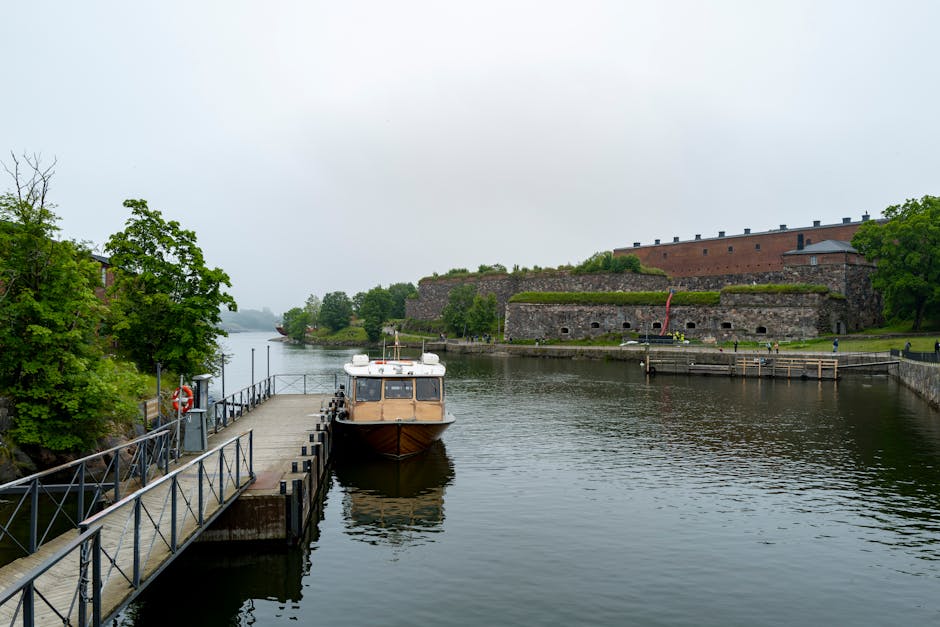
Helsinki also offers many chances to learn by doing: a stroll through Kauppatori, a visit to Kiasma, a sauna at Löyly, or a crossing to Suomenlinna lets you observe local behavior and adjust your approach. Be curious but discreet; ask politely if you’re unsure (in English or with a few Finnish words), and accept that some practices differ from your home culture. Finns appreciate effort and sincerity.
To finish, keep these simple principles in mind: punctuality, respectful quiet in shared places, discretion in the sauna, and a direct but courteous approach in exchanges. They’ll help you avoid missteps and make the most of Helsinki’s gentle pace, nature and culture. Have a great trip, and muista olla ystävällinen — remember to be kind.